

Trump Reverses Hormuz Transit Fee, Opts for Gulf Trade Deals
 23 minutes ago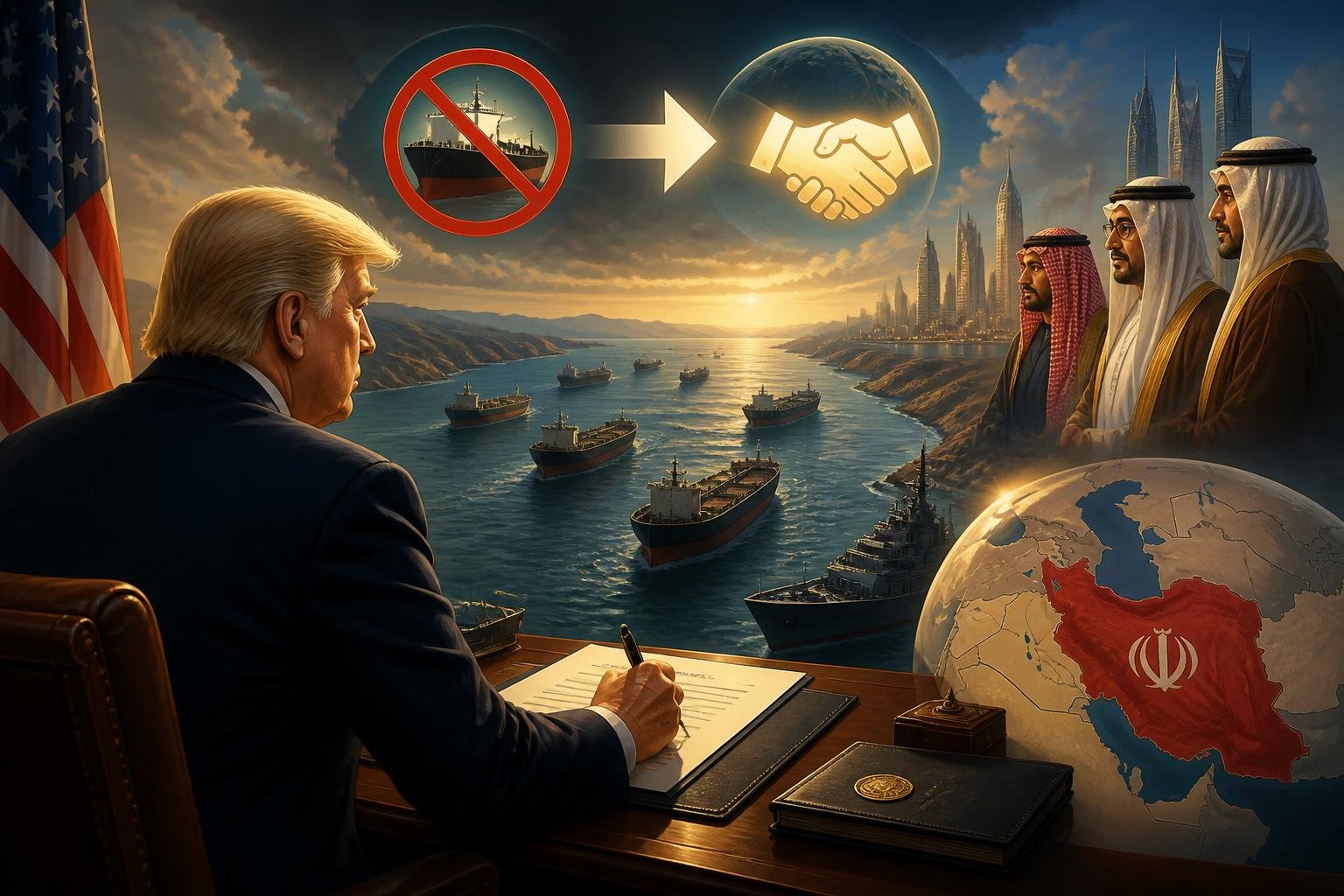
At a glance
- US President Donald Trump announced on Tuesday that he is scrapping a planned 20 percent levy on ships transiting the Strait of Hormuz.
- This decision comes a day after he initially proposed the fee, stating that Washington was now the "guardian of the Hormuz Strait" and would impose charges for its…
- President Trump stated that his reversal was based on "highly productive conversations with Middle East leadership." He will now replace the proposed fee with trade…
Story so far: US President Donald Trump announced on Tuesday that he is scrapping a planned 20 percent levy on ships transiting the Strait of Hormuz. This decision comes a day after he initially proposed the fee, stating that Washington was now the "guardian of the Hormuz Strait" and would impose charges for its…
Latest development: Trump has rejected claims regarding a Strait of Hormuz fee, stating that "No One Should Charge a Fee." Sources: Express News
US President Donald Trump announced on Tuesday that he is scrapping a planned 20 percent levy on ships transiting the Strait of Hormuz. This decision comes a day after he initially proposed the fee, stating that Washington was now the “guardian of the Hormuz Strait” and would impose charges for its protection.
President Trump stated that his reversal was based on “highly productive conversations with Middle East leadership.” He will now replace the proposed fee with trade and investment deals with Gulf allies.
Despite this change, President Trump affirmed that a “FULL Blockade” would continue on ships traveling to and from Iranian ports, or those carrying Iranian cargo. In response to earlier developments, Iran’s military command had insisted it would not permit the United States to interfere in the vital waterway and had cautioned its Gulf neighbors against cooperating with Washington.
Latest Updates
Trump has rejected claims regarding a Strait of Hormuz fee, stating that “No One Should Charge a Fee.”
Sources: Express News
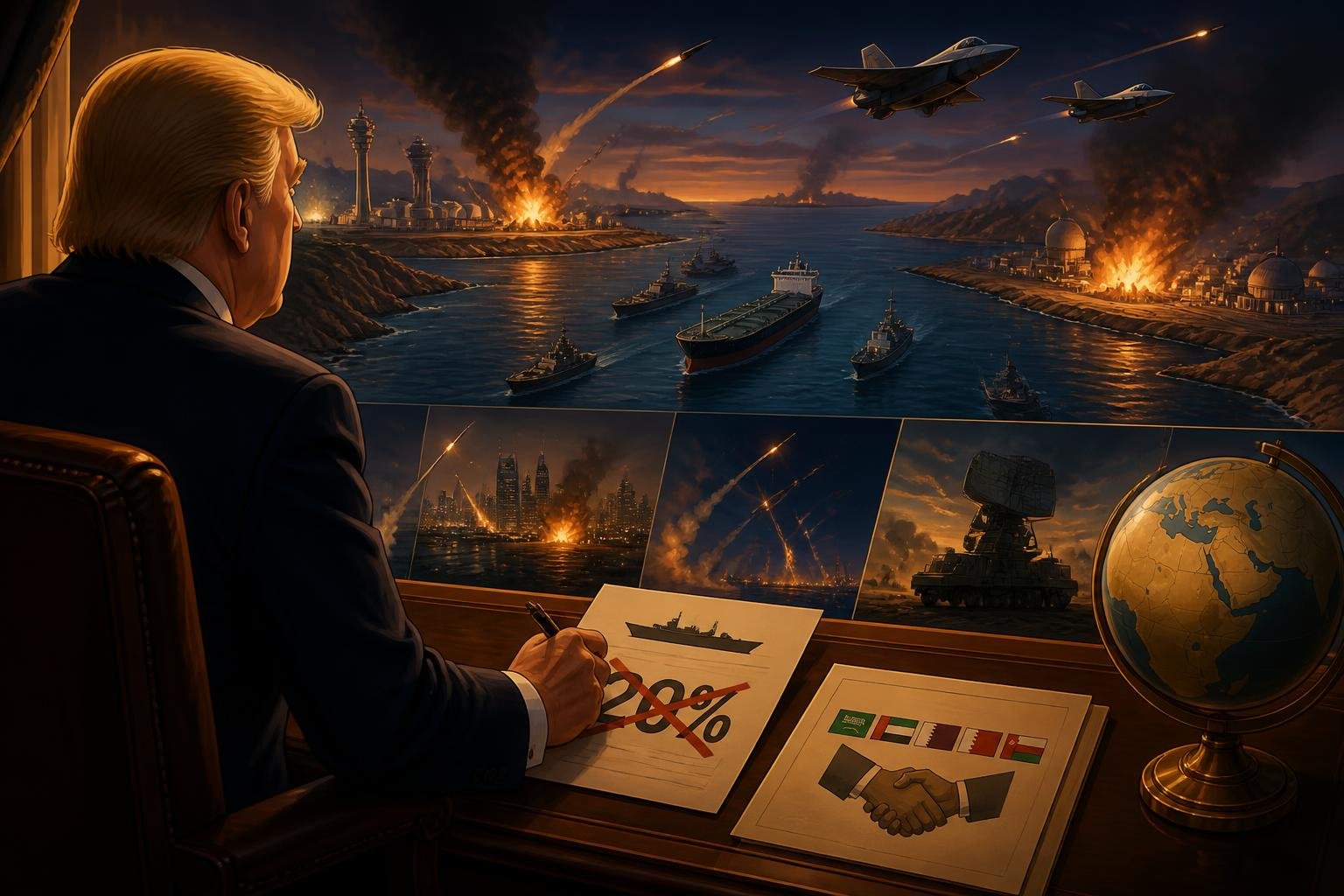
US President Donald Trump on Tuesday reversed his decision to impose a planned 20 percent “United States Reimbursement Fee” on vessels passing through the Strait of Hormuz, just a day after announcing the measure. The fee will be replaced by trade and investment agreements with Gulf nations, aimed at strengthening economic ties with Washington.
Despite dropping the transit levy, President Trump stated that the United States would maintain a full blockade targeting vessels linked to Iran. This measure would apply only to ships travelling to or from Iranian ports or transporting Iranian cargo.
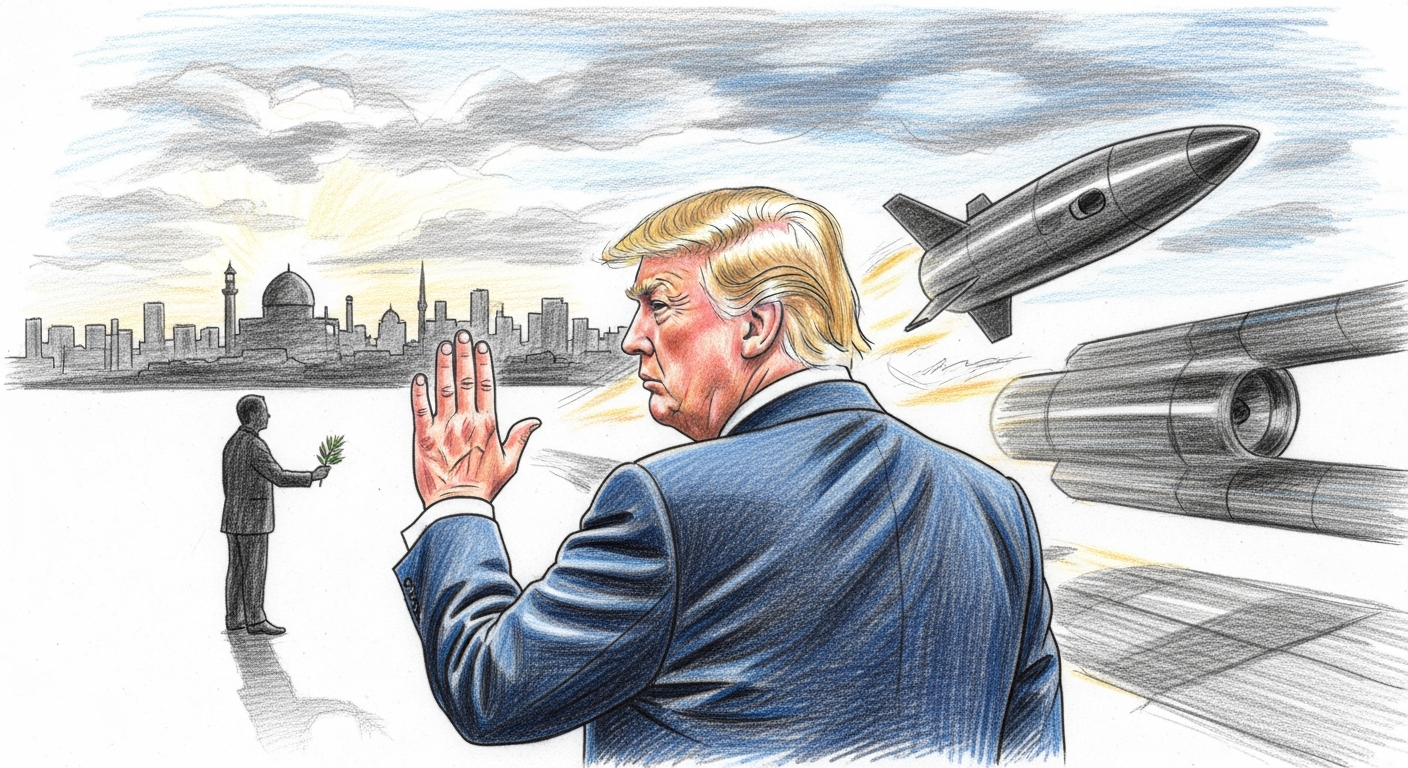
Iran’s military leadership rejected the US stance, stating it would not permit American interference in the strategic waterway and warned neighboring Gulf countries against cooperating with Washington.
Sources: Pakistan Observer Samaa TV Suno News Dunya News

Responses