

PSX Tumbles Over 3,000 Points Amid US-Iran Tensions, Oil Price Surge
 4 hours ago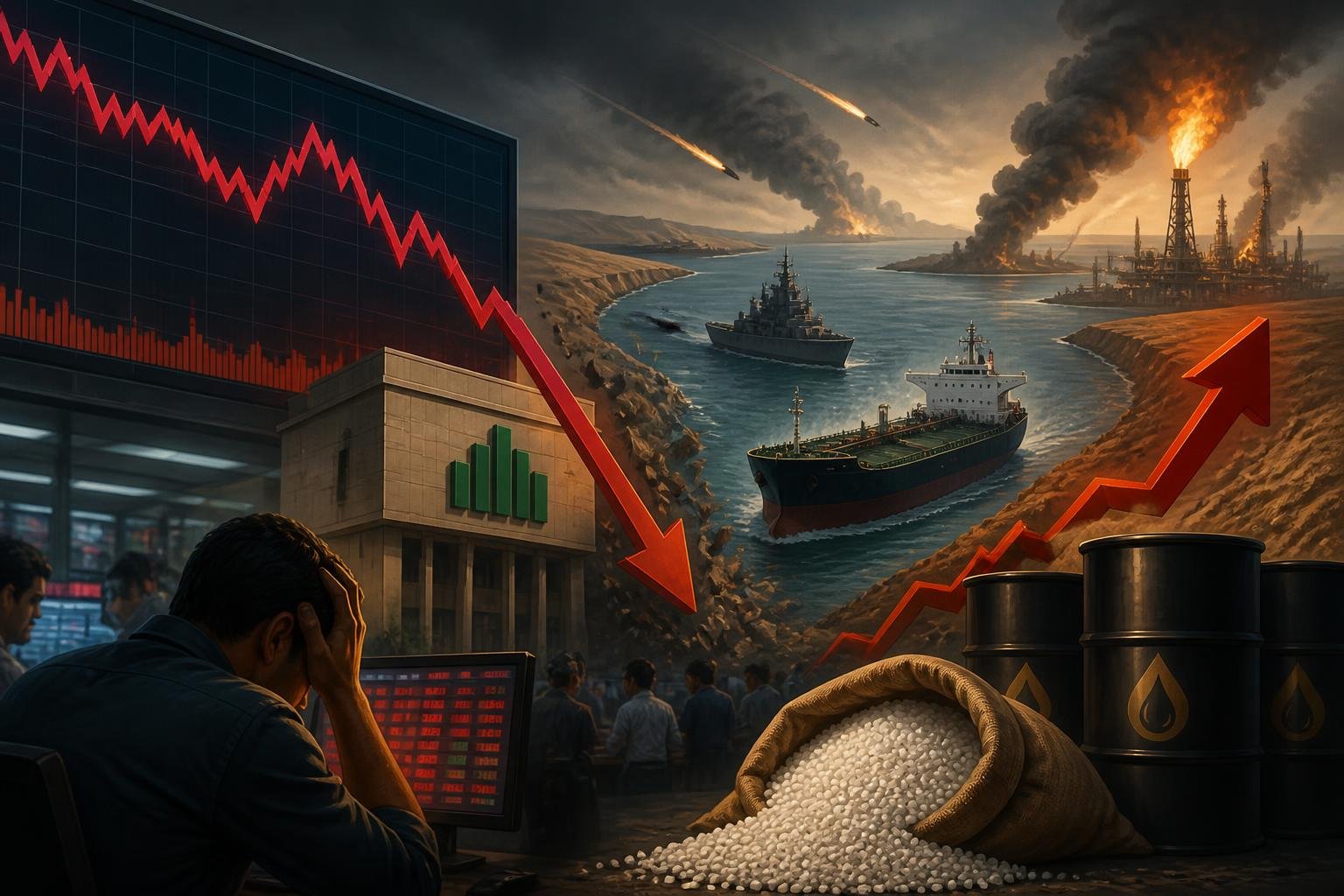
At a glance
- The Pakistan Stock Exchange’s (PSX) benchmark KSE-100 index continued its decline for a second consecutive day on Tuesday, July 14, 2026, losing over 3,000 points…
- The KSE-100 index shed 3,464.89 points, dropping to 176,462.15 points from its previous close of 179,927.04.
- The market downturn is largely attributed to escalating tensions between the United States and Iran, following the US reimposition of a naval blockade on Iran and…
Story so far: The Pakistan Stock Exchange’s (PSX) benchmark KSE-100 index continued its decline for a second consecutive day on Tuesday, July 14, 2026, losing over 3,000 points… The KSE-100 index shed 3,464.89 points, dropping to 176,462.15 points from its previous close of 179,927.04.
Latest development: The Middle East conflict has significantly impacted global trade through the Strait of Hormuz. This crucial waterway, which handles 20 to 30 percent of global fertilizer trade and about 20 percent of seaborne Liquefied Natural…
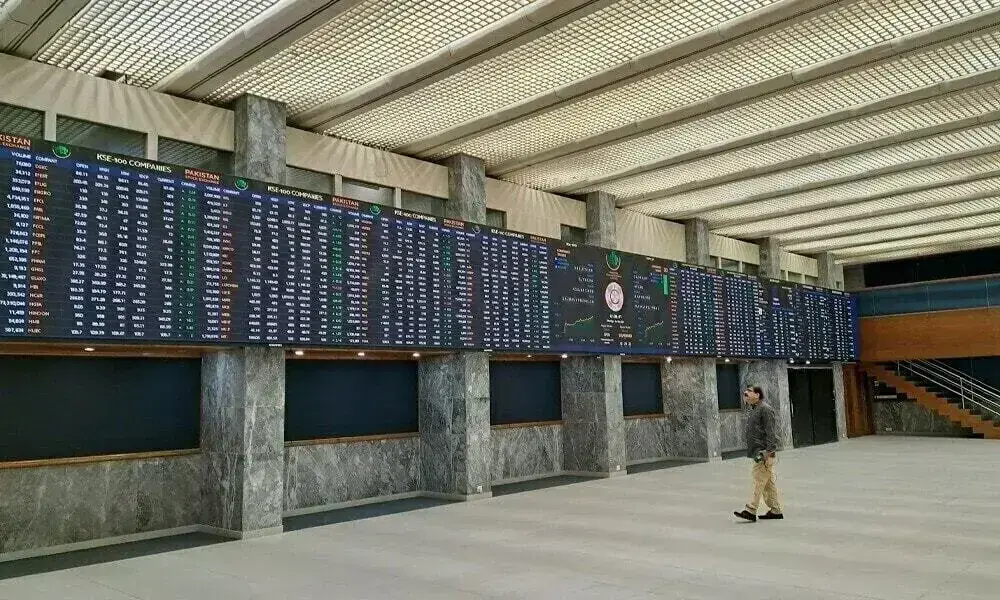
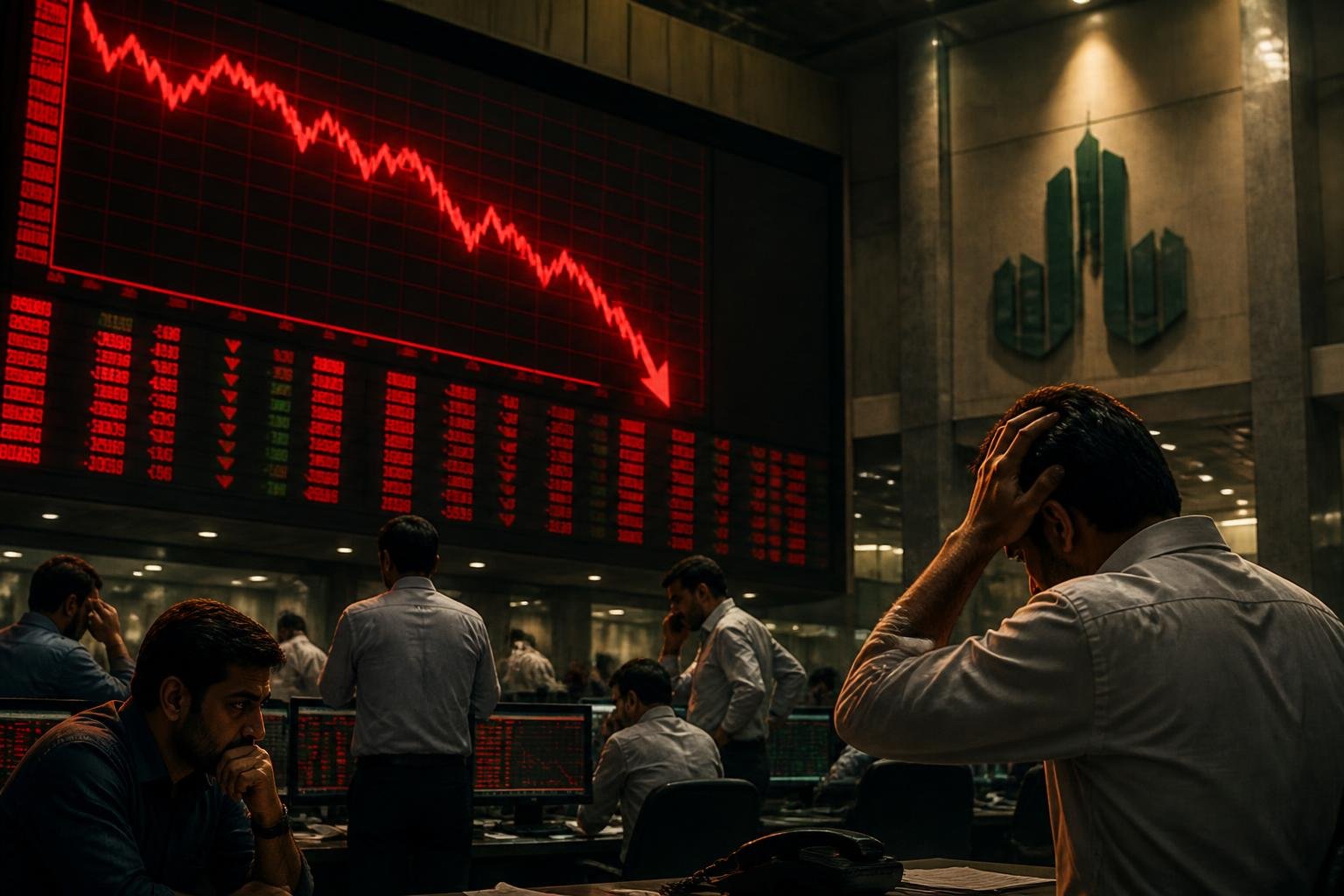
The Pakistan Stock Exchange’s (PSX) benchmark KSE-100 index continued its decline for a second consecutive day on Tuesday, July 14, 2026, losing over 3,000 points during early trade. The KSE-100 index shed 3,464.89 points, dropping to 176,462.15 points from its previous close of 179,927.04.
The market downturn is largely attributed to escalating tensions between the United States and Iran, following the US reimposition of a naval blockade on Iran and increased military activity in the Strait of Hormuz. This geopolitical development led to a significant rise in global oil prices, which climbed nearly three percent on Tuesday to their highest in four weeks.
Brent crude futures rose $1.50, or 1.8%, to $84.80 per barrel, while US West Texas Intermediate crude advanced $1.70, or 2.2%, to $79.84 a barrel. Oil prices are now at their highest since June 17, when the two countries signed a memorandum of understanding to end the war.
On Monday, the KSE-100 index had already come under pressure, declining by 2,314.73 points, or 1.27%, to close at 179,927.05 points, falling below the psychological barrier of 180,000 points. Broad-based profit-taking further exacerbated the decline after a recent market rally.
Selling pressure was observed across key sectors, including automobile assemblers, cement, commercial banks, oil and gas exploration, OMCs, and power generation. Index-heavy stocks such as MARI, OGDC, PPL, HUBCO, MCB, MEBL, and UBL traded in the red. Globally, Asian equities also saw declines, with MSCI’s broadest index of Asia-Pacific shares outside Japan falling 1.7%.
Latest Updates
The Middle East conflict has significantly impacted global trade through the Strait of Hormuz. This crucial waterway, which handles 20 to 30 percent of global fertilizer trade and about 20 percent of seaborne Liquefied Natural Gas (LNG), has experienced a traffic reduction of over 95 percent from pre-crisis levels since late February. Regional urea production has also seen a substantial decline of 55 to 60 percent. As a result, urea prices increased by approximately 46 percent month-on-month between February and March 2026. Concurrently, oil prices have begun to rise again.
Sources: Pakistan Observer Suno News





Responses