

PM Shehbaz Hails $440 Million Pakistan-China Pharma Deals
 8 hours ago
At a glance
- Pakistan and China signed $440 million in pharmaceutical agreements.
- Deals aim to boost pharma manufacturing and exports in Pakistan.
- PM Shehbaz Sharif emphasized security of Chinese nationals in Pakistan.
Story so far
Pakistan and China are enhancing collaboration across various sectors, including CPEC 2.0, investment, digital economy, and artificial intelligence. Deputy Prime Minister Mohammad Ishaq Dar recently visited Shanghai, where Pakistan became a founding member of the World Artificial Intelligence Cooperation Organization (WAICO). On July 17, $440 million worth of pharmaceutical agreements were signed between companies from both countries. Prime Minister Shehbaz Sharif hailed these deals as a major milestone, emphasizing their role in advancing CPEC Phase II and boosting Pakistan's pharmaceutical industry. He also reiterated that the security of Chinese citizens in Pakistan is paramount.
Latest development
Prime Minister Shehbaz Sharif hailed the signing of nine pharmaceutical agreements, valued at approximately $440 million, between Pakistani and Chinese private enterprises. He stated that these deals are a major step towards strengthening bilateral economic cooperation and advancing CPEC 2.0, aiming to position Pakistan as a regional hub for life-saving medicines.
Latest updates
Prime Minister Shehbaz Sharif hailed the signing of nine pharmaceutical agreements worth approximately $440 million between Pakistani and Chinese private enterprises. He described these deals as a significant step towards strengthening bilateral economic cooperation and advancing CPEC 2.0, expressing confidence they would boost investment in pharmaceutical manufacturing, vaccines, and research and development. The Prime Minister stated that these agreements aim to position Pakistan as a regional center for the production and export of life-saving medicines. He also reiterated that the security of Chinese nationals working in Pakistan remains the government's top priority.
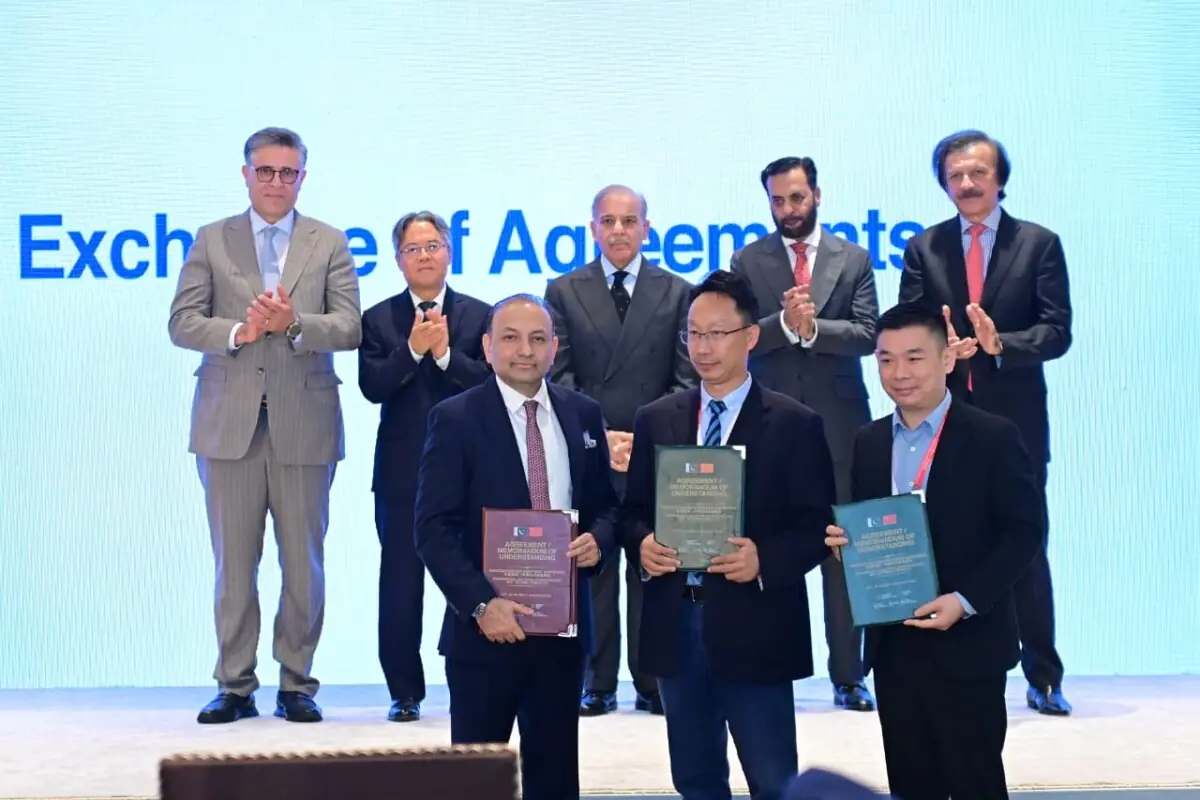
Pakistan and China have advanced their economic ties with the signing of $440 million worth of pharmaceutical agreements at the Pakistan-China Pharmaceutical B2B Conference. Pharmaceutical companies from both countries signed these agreements, with leaders also pledging to expand cooperation in trade, technology, artificial intelligence, and investment.
Prime Minister Shehbaz Sharif hailed the agreements as a major milestone for Pakistan’s pharmaceutical industry and bilateral economic ties, stating that the deals reflect growing confidence between Pakistani and Chinese businesses and will help unlock new investment opportunities. He referred to China as Pakistan’s most trusted partner, acknowledging Beijing’s consistent support and noting that the first phase of the China-Pakistan Economic Corridor (CPEC) brought over $30 billion in Chinese investment. The Prime Minister added that these new pharmaceutical agreements represent another important step toward accelerating CPEC Phase II.
The conference featured the exchange of Memorandums of Understanding (MOUs) between Pakistani and Chinese pharmaceutical companies. The Chinese Ambassador to Pakistan described the conference as a new platform for expanding bilateral cooperation, emphasizing the significant potential in the pharmaceutical and healthcare industries. Federal Health Minister Mustafa Kamal stated that the conference reflects the government’s commitment to strengthening Pakistan’s healthcare industry and attracting foreign investment.
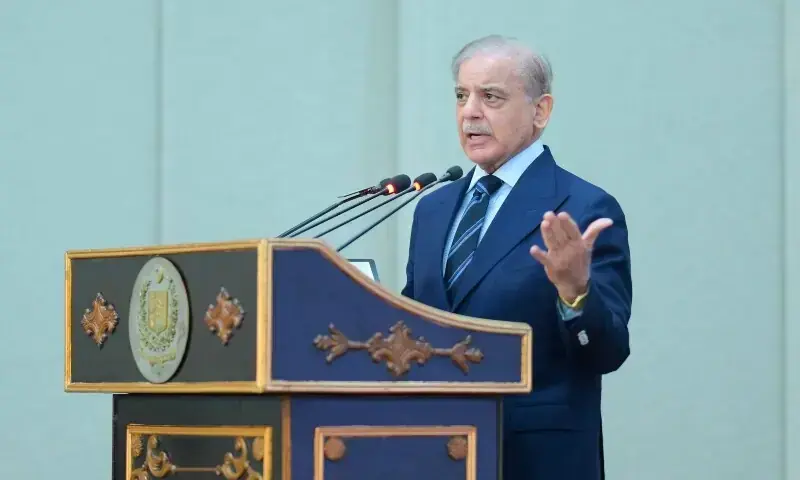
Prime Minister Shehbaz Sharif stated on Friday, July 17, 2026, that the security of Chinese citizens in Pakistan is "paramount." Speaking at the Pakistan-China Pharmaceutical and Healthcare B2B Investment Conference in Islamabad, he emphasized that no effort would be spared to provide the best possible security. The conference also saw the signing of multiple agreements between Pakistani and Chinese companies in healthcare, biotechnology, and pharmaceuticals, valued at nearly $440 million.
This assurance follows recent security concerns, including disruptions by terrorists near the China-run Saindak copper and gold mine in Balochistan, leading to increased security measures. The statement also comes amidst Operation Shaban, a counterterrorism campaign in the province. Reports indicate that since 2021, 20 Chinese citizens have been killed and 34 injured in terror attacks in Pakistan, including incidents in March 2024 near the Dasu dam project and April 2022 at the University of Karachi's Confucius Institute.
Meanwhile, the China-Pakistan Economic Corridor (CPEC) is transitioning into CPEC 2.0, moving from a state-led infrastructure program to a more market-driven economic framework. This phase emphasizes business-to-business cooperation and private sector integration, aiming to address structural repayment pressures and an underutilized industrial base, building on the $62 billion first phase which included $25 billion in completed investments and added over 8,000 megawatts to the national power grid.
Deputy Prime Minister Mohammad Ishaq Dar concluded a two-day visit to Shanghai, China, where he met with Chinese Foreign Minister Wang Yi. During his visit, Mr. Dar signed the Agreement on the Establishment of the World Artificial Intelligence Cooperation Organization (WAICO) on behalf of Pakistan. Pakistan is a founding member of WAICO, an organization focused on international cooperation, capacity building, and bridging the digital divide. The agreement was signed by a total of twenty-nine countries. Mr. Dar also attended the opening ceremony of the World Artificial Intelligence Conference, inaugurated by President Xi Jinping, and held sideline meetings with counterparts and other dignitaries.


Responses