

Indian Court Declares Historic Mosque a Temple, Allows Worship
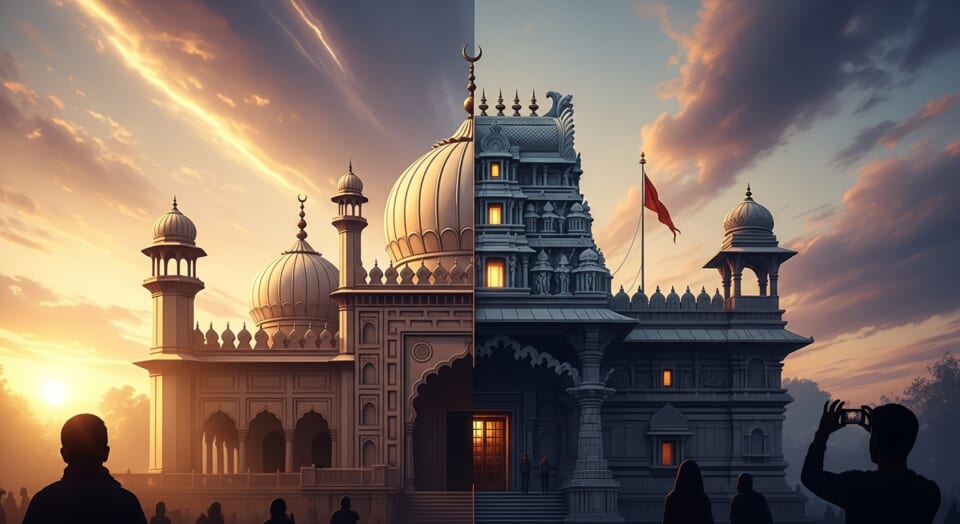
An Indian high court in the state of Madhya Pradesh has declared the historic Kamal Maula Mosque a temple, permitting Hindu worship on the premises and rejecting a petition from the Muslim community.
The High Court’s ruling pertains to the site in the city of Dhar, also known as the Bhojshala Complex, which has been a subject of dispute for decades. Under a 2003 agreement, Muslims had been permitted to offer Friday prayers at the mosque, while Hindus were allowed to conduct worship rituals on Tuesdays.
In its judgment, the court relied on a report by the Archaeological Survey of India (ASI) which claimed a Hindu temple dedicated to the goddess Vagdevi existed at the site before the mosque was built. The court also ordered that the Muslim party be given alternative land to construct a new mosque. Following the verdict, Hindu nationalist groups reportedly entered the complex on Sunday, waved saffron flags, and installed a temporary idol to perform religious rituals amid a heavy security presence.
Lawyers for the Muslim community have called the decision “against law and history” and announced their intention to appeal to the Supreme Court. Critics argue the verdict contravenes the spirit of India’s 1991 Places of Worship Act, which mandates maintaining the religious character of all places of worship as they existed on August 15, 1947.
Indian parliamentarian Asaduddin Owaisi warned that the ruling sets a new precedent following the Babri Masjid case, potentially encouraging more claims against mosques across the country. Conversely, Hindu organizations have celebrated the decision as a “victory for Hindu civilization.” A US-based historian commented that the incident is part of a growing trend in India where mosques are being targeted, a phenomenon rooted in Hindu nationalism.


Reactions and comments