

US-Iran Tensions Escalate Over Stalled Nuclear Deal Negotiations
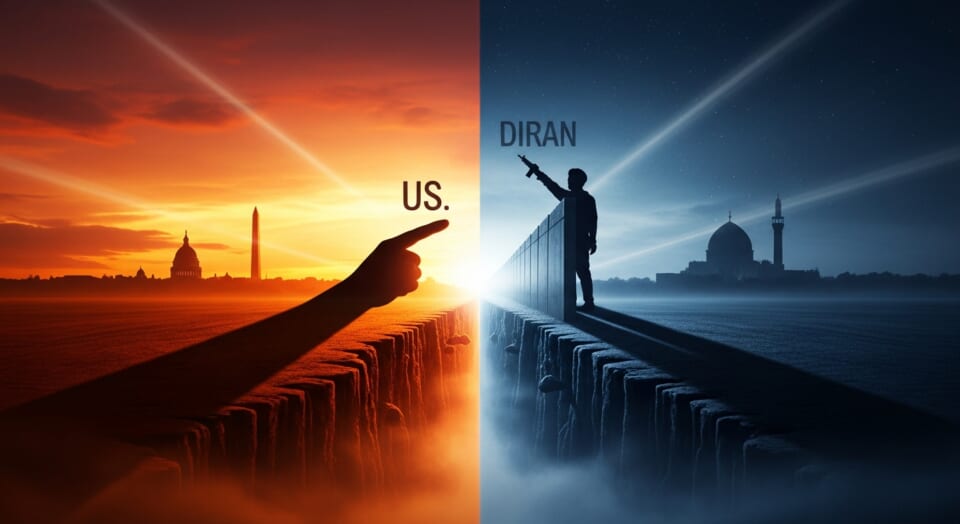
Prime Minister Shehbaz Sharif has described Pakistan’s role as a key mediator between the United States and Iran as a “shining moment in our history,” crediting a strong “political-military partnership” for enhancing the country’s international image. In an interview with The Sunday Times, the premier expressed pride that Pakistan is now acknowledged globally as an honest broker in which international leadership has full faith.
Islamabad’s diplomatic intervention comes amid continued military pressure following US-Israeli strikes on Iran in late February. A Pakistan-brokered ceasefire agreed upon on April 8 has largely held, facilitating a historic first round of direct US-Iran talks in Islamabad on April 11-12. While these talks concluded without a final agreement, they did not break down, keeping the path to a peaceful resolution open.
With challenges in convening a follow-up meeting, diplomatic efforts are ongoing. Interior Minister Mohsin Naqvi recently visited Tehran, holding meetings with Iranian President Masoud Pezeshkian and Parliament Speaker Bagher Ghalibaf to revive the stalled peace process. This push came after former US President Donald Trump reportedly rejected Tehran’s latest response to American proposals. Prime Minister Sharif remains optimistic, stating, “We’re still doing our best to ensure that this peace effort achieves a long-lasting peace.”
The prime minister lauded the collaborative domestic effort behind the diplomatic success. “What we are seeing is team efforts of the political and military leadership,” he said, specifically acknowledging the “critical role” played by Chief of Army Staff Field Marshal Asim Munir. He also commended the “untiring efforts” of Deputy Prime Minister and Foreign Minister Ishaq Dar in engaging with his counterparts.
During the interview, Sharif also addressed rising tensions with Afghanistan, describing a renewed “onslaught of terrorism” from groups like the TTP and BLA sponsored from abroad. Justifying recent cross-border military action, he said, “With Afghanistan, we had no other choice but kinetic action against terrorist hideouts and support infrastructure.” He noted that dozens of peaceful messages have been sent to Kabul with the sole demand that it not allow its territory to be used by terrorist outfits. “It’s a war we are fighting not just for Pakistan but the world over,” he added.
Prime Minister Shehbaz Sharif has described Pakistan’s emergence as a key mediator between the United States and Iran as a “shining moment” in the nation’s history, attributing the diplomatic success to a strong “political-military partnership.” In an interview with The Sunday Times, the premier expressed pride in Pakistan being acknowledged as an honest broker trusted by international leadership.
Islamabad’s diplomatic intervention comes amid heightened tensions following stalled nuclear deal negotiations. The US reportedly introduced stringent new conditions, demanding financial compensation and the complete handover of Iran’s enriched uranium, terms Tehran has firmly rejected. The standoff was further intensified by a recent ultimatum from former US President Donald Trump, who warned Iran of “very bad circumstances” if a deal was not reached swiftly.
Despite the friction, Pakistan’s efforts have yielded significant progress. A Pakistan-brokered ceasefire agreed upon on April 8 has largely held, paving the way for a historic first round of direct US-Iran talks in Islamabad on April 11-12. While the initial talks concluded without a final agreement, they did not break down. Diplomatic efforts are ongoing, highlighted by Interior Minister Mohsin Naqvi’s recent visit to Tehran to meet with Iranian President Masoud Pezeshkian and revive the peace process.
Prime Minister Sharif voiced optimism for a second round of talks, stating, “We’re still doing our best to ensure that this peace effort achieves a long-lasting peace.” He credited both President Trump and President Pezeshkian for accepting Pakistan’s invitation to mediate. Sharif also lauded the domestic team effort, acknowledging the “critical role” played by Chief of Army Staff Field Marshal Asim Munir and the “untiring efforts” of Deputy Prime Minister and Foreign Minister Ishaq Dar.
The high-stakes nature of the mediation is underscored by the severe rhetoric from the region. Senior Iranian officials have warned that any new aggression from the US or Israel would be met with a “devastating response.” Russia has also cautioned that further attacks on Iran would show that Washington and Tel Aviv have “not learned from past mistakes,” highlighting the urgency of the diplomatic track Pakistan is pursuing.
🔄 Latest Updates
Updated: 5:35 AM PKT — May 18, 2026
Amid escalating rhetoric, the US President has warned Iran that time is running out for a new deal, setting conditions that include the handover of enriched uranium and payment of war reparations. Iran’s military issued a strong counter-warning, vowing a devastating response to any new aggression, while US officials and congressmen praised Pakistan’s leadership role in de-escalation.
Updated: 10:58 PM PKT — May 17, 2026
Tehran has rejected a new US condition demanding the handover of 400kg of enriched uranium. Meanwhile, Russia warned that new attacks on Iran would show the US and Israel have not learned from past mistakes. Iran’s foreign ministry spokesperson accused the two nations of sabotaging diplomacy for war, a claim reportedly backed by a report that the countries are preparing for new attacks.


Reactions and comments