

US Forces to Exit Iraq by September 30, New Strategic Partnership Unveiled
 3 hours ago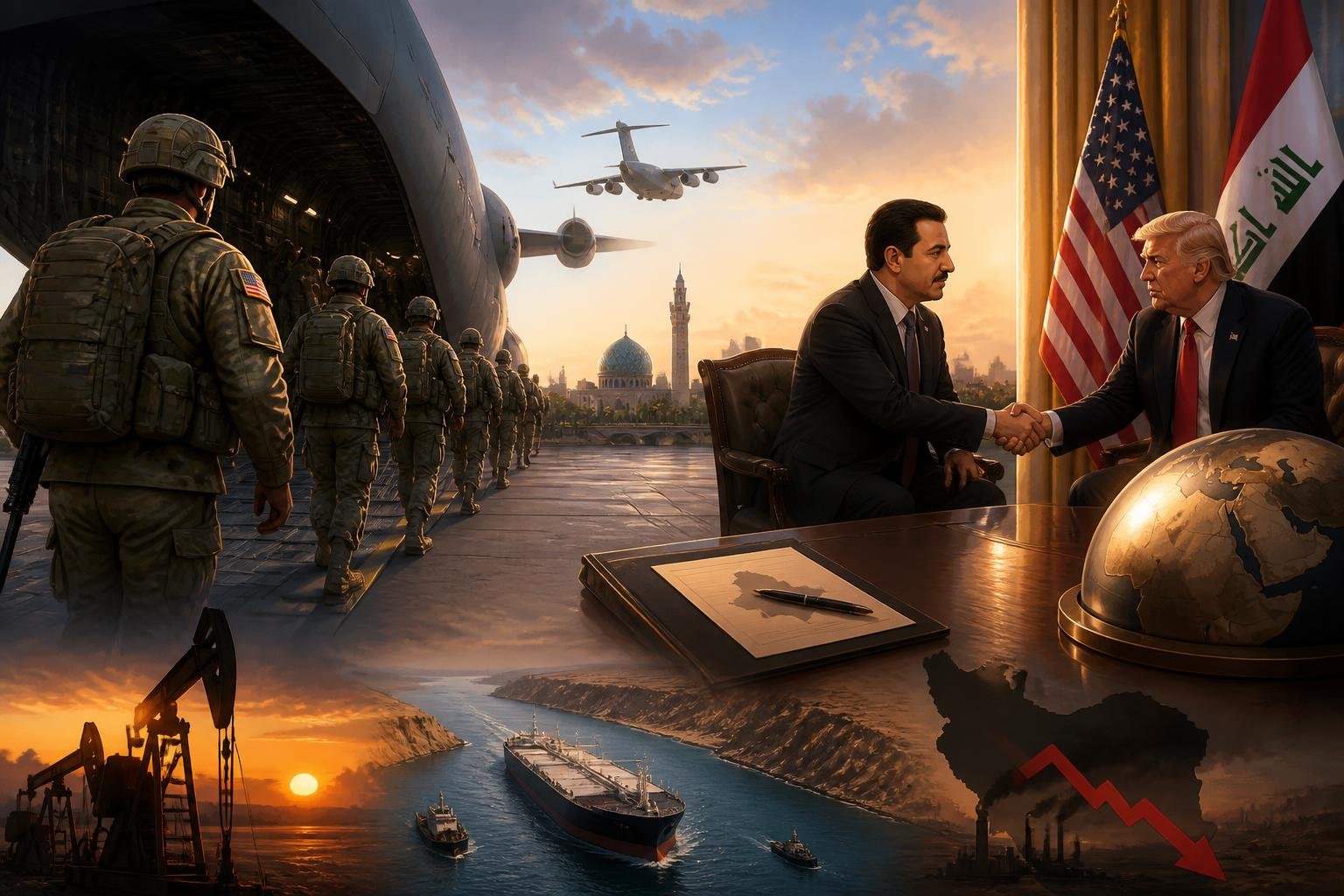
At a glance
- US forces will leave Iraq by September 30, concluding more than two decades of America’s military presence in the country, US President Donald Trump announced.
- This declaration reinforces a withdrawal roadmap agreed upon through the 2024 Higher Coordinating Committee.
- Iraqi Prime Minister Ali al-Zaidi confirmed the withdrawal, stating that US forces would be out of Iraq by September 30 of this year.
Story so far: US forces will leave Iraq by September 30, concluding more than two decades of America’s military presence in the country, US President Donald Trump announced. This declaration reinforces a withdrawal roadmap agreed upon through the 2024 Higher Coordinating Committee.
US forces will leave Iraq by September 30, concluding more than two decades of America’s military presence in the country, US President Donald Trump announced. This declaration reinforces a withdrawal roadmap agreed upon through the 2024 Higher Coordinating Committee.
Iraqi Prime Minister Ali al-Zaidi confirmed the withdrawal, stating that US forces would be out of Iraq by September 30 of this year. Under the 2024 agreement, US troops have already been largely repositioned to Iraq’s Kurdistan Region, with further drawdowns scheduled through the end of 2026.
The announcement came during high-level talks at the White House, where President Trump welcomed Prime Minister Al-Zaidi, praising their “tremendous chemistry” and describing Iraq as an increasingly important strategic and economic partner. Trump highlighted expanding cooperation in the energy sector, noting that US oil companies are entering Iraq at unprecedented levels.
Addressing regional security, President Trump asserted that Iran’s influence has been significantly diminished, describing Tehran as the former “bully of the Middle East” whose military capabilities have been reduced to “a tiny fraction” of what they were just four months ago. He added that this shift has eased pressure on Baghdad and created new opportunities for Iraq to strengthen ties with Washington.
President Trump also declared that the United States no longer requires a permanent military presence in Iraq, while affirming that Washington would continue to support and defend the country if necessary. He used the occasion to criticize the idea of charging commercial vessels for passage through the Strait of Hormuz, insisting that this vital maritime route should remain free of transit fees.
Reiterating his long-held position, President Trump stated that the 2003 invasion of Iraq was a mistake, saying the United States “attacked the wrong country.”


Responses