

Shipping Companies Avoid US-Guided Hormuz Transit Amidst Attacks
 3 hours ago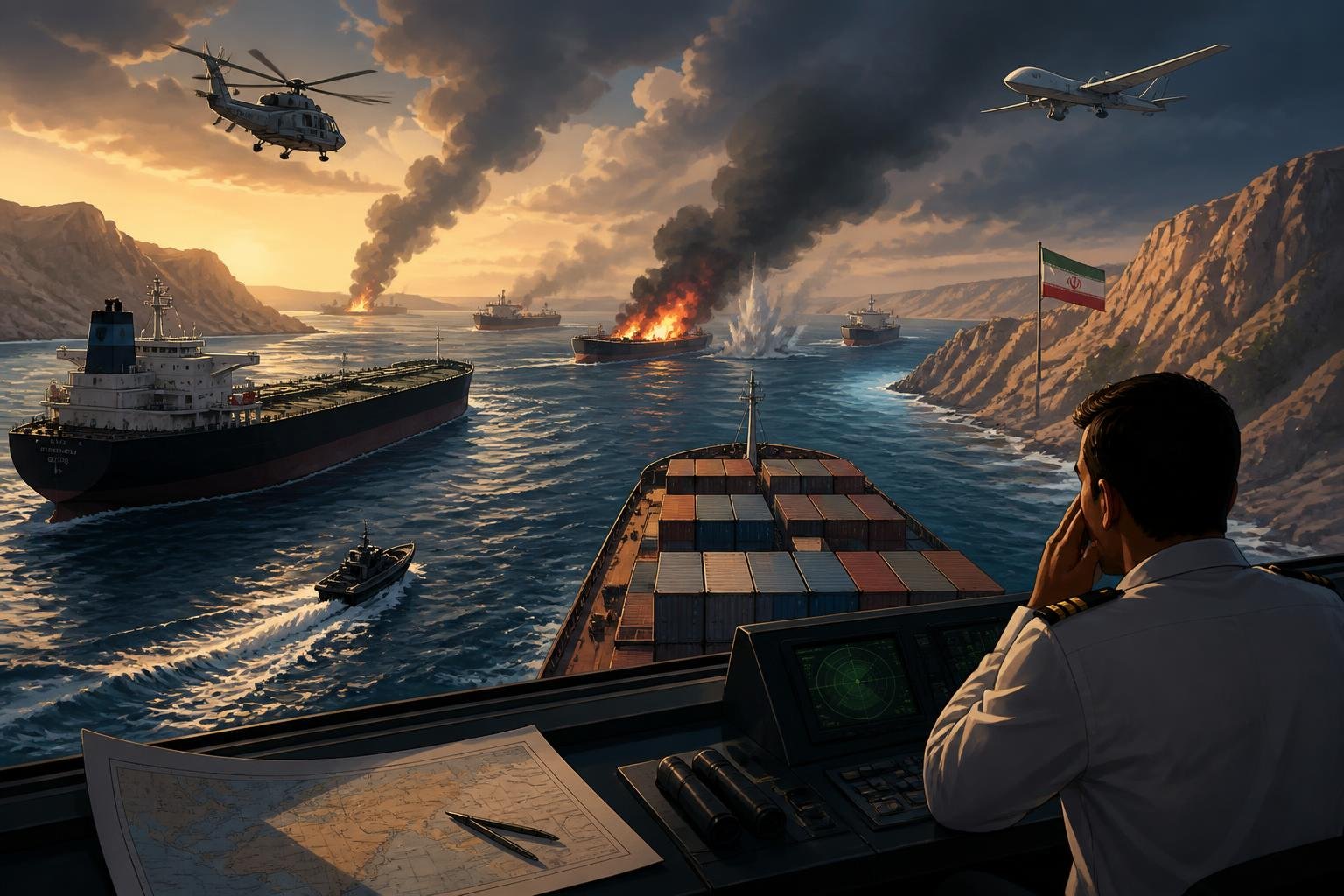
At a glance
- Shipping companies are reportedly avoiding a US military-guided transit scheme through the Strait of Hormuz due to escalating Iranian attacks on vessels and growing…
- This comes despite assurances from the US that the vital waterway remains open.
- Since the Iran war began on February 28, Iranian forces have mined the traditional Traffic Separation Scheme area, forcing vessels to use makeshift routes closer to…
Story so far: Shipping companies are reportedly avoiding a US military-guided transit scheme through the Strait of Hormuz due to escalating Iranian attacks on vessels and growing… This comes despite assurances from the US that the vital waterway remains open.
Shipping companies are reportedly avoiding a US military-guided transit scheme through the Strait of Hormuz due to escalating Iranian attacks on vessels and growing safety concerns. This comes despite assurances from the US that the vital waterway remains open.
Since the Iran war began on February 28, Iranian forces have mined the traditional Traffic Separation Scheme area, forcing vessels to use makeshift routes closer to either the Iranian or Omani coast. Five ships, including three crude supertankers, one LNG tanker, and one container ship, have been attacked since July 7 in Omani waters that fell under the US scheme. Iran’s Revolutionary Guards claimed responsibility on Tuesday for attacks on two Emirati oil supertankers.
In June, the US military had reportedly assisted vessels through the strait as part of an operation involving secretive ship-to-ship oil transfers, using aerial and water drones and helicopters to guide tankers. This initiative aimed to keep Gulf energy exports flowing and dampen the impact on energy prices. However, shippers are now evaluating the Omani side route as increasingly dangerous. Pakistan News will update this story as more confirmed details become available.
Responses