

Saudi Arabia’s Enemy is Pakistan’s Enemy, Says Defence Minister Khawaja Asif
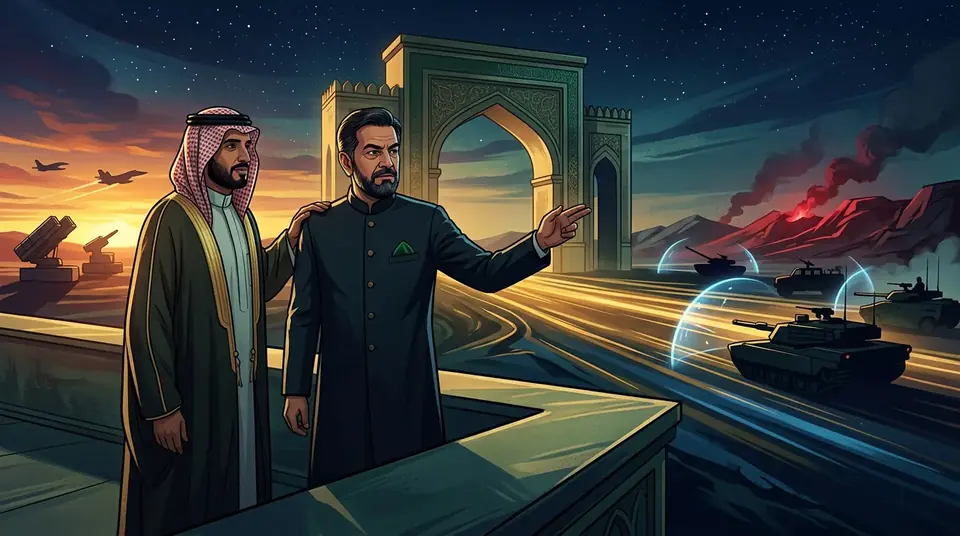
At a glance
- Khawaja Asif: "Saudi Arabia's enemy is Pakistan's enemy."
- Pakistan committed to defending KSA against any threat, including from Houthis.
- Support is based on bilateral and trilateral defence pacts.
Story so far
Defence Minister Khawaja Asif has repeatedly affirmed Pakistan's commitment to defending Saudi Arabia's security. He stated that Pakistan would stand with the Kingdom in any conflict, including against threats from Houthi rebels, whom he described as aggressors. This support is underpinned by a bilateral defence agreement and the Makkah Defence Alliance, a trilateral pact with Turkiye. The minister's latest remarks include the declaration that "Saudi Arabia's enemy is Pakistan's enemy," and a promise to use all available resources in its defence.
Latest development
Defence Minister Khawaja Asif has declared, "Saudi Arabia's enemy is Pakistan's enemy," reinforcing Pakistan's commitment to defend the Kingdom against any aggression, including from Houthi rebels.
Latest updates
In a further clarification of Pakistan's position, Defence Minister Khawaja Asif stated, "Saudi Arabia's enemy is Pakistan's enemy." He reiterated that Pakistan would come to the Kingdom's defence against any threat, whether from Houthi rebels or any other country, using all available resources.
Responses
Latest Fact Checks
Pakistan will be there to defend Saudi Arabia in any conflict: Khawaja Asif
Defence Minister Khawaja Asif has said that Pakistan was “there to help” Saudi Arabia in any conflict. “We are there to help Saudi Arabia in any conflict, whether it is coming from the Houthis or a country or any other outfit that threatens Saudi Ara
سعودی عرب کا دشمن پاکستان کا دشمن، حوثیوں کے خلاف تمام وسائل فراہم کریں گے: خواجہ آصف
اسلام آباد (نوائے وقت رپورٹ) وزیر دفاع خواجہ آصف نے کہا ہے کہ پاکستان کی سعودی عرب کو ہرممکن مدد فراہم کرنے کا واضح عزم ظاہر کرتے ہوئے کہا ہے کہ حوثیوں کے حملوں سے دفاع کے لیے سعودی عرب کو ہر قسم کے دستیاب وسائل فراہم کریں گے۔
The article mentions the alliance is defensive. I wonder what the specific criteria are for triggering this mutual defence commitment. It seems important to have clear, publicly understood lines.