

Iran-US Military Tensions and Diplomatic Stalemate
 2 months ago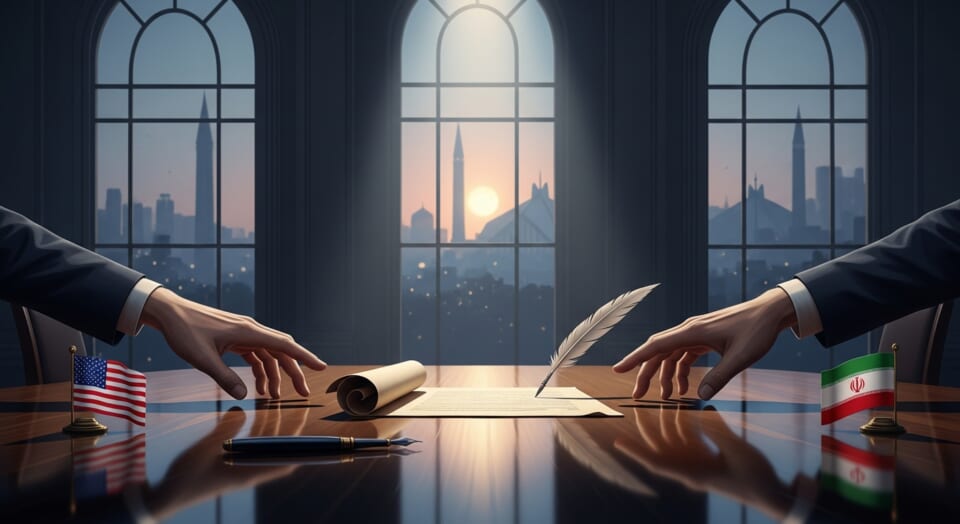
Iran has issued a strong warning that military ships in the Strait of Hormuz could be targeted. This comes amidst persisting tensions between the US and Iran, prompting questions if the nations are on the path to war again. An Iran-US deal has reportedly stalled, with Iran stating its clear stance on its nuclear program and asserting that no talks are underway. Conversely, reports also discuss ongoing talks and question a potential major breakthrough in Iran-US relations. Pakistan’s diplomacy is reported to be in full swing regarding the stalled deal. Some of these developments were reported on May 30, 2026.
 Latest Updates
Updated: 2:15 PM PKT — May 31, 2026
An official from Iran’s Islamic Revolutionary Guard Corps (IRGC) has claimed the country’s enemies underestimated its military strength during a recent 40-day conflict. Yadollah Javani, who oversees political affairs for the IRGC, stated that adversaries miscalculated Iran’s capabilities, resulting in a strengthened position for Tehran and a weakened standing for the United States.
Javani asserted that the hostilities began with US and Israeli airstrikes targeting senior Iranian officials, which were met with daily Iranian missile and drone attacks on Israeli-controlled areas and American military bases in the region. He claimed that the objectives to dismantle Iran’s nuclear program and missile capabilities failed, shifting the regional balance of power in Iran’s favour and solidifying its “effective influence” over the Strait of Hormuz as a “legitimate right.”
Updated: 11:12 AM PKT — May 31, 2026
An adviser to Iran’s Supreme Leader, Mohsen Rezaei, has condemned the US naval blockade as a “betrayal of diplomacy,” accusing Washington of making excessive demands that have damaged trust in the negotiation process. He stated that the US policy of applying pressure is contrary to the spirit of dialogue.
In a significant strategic development, Iran announced it will grant “special facilities” and cooperation to Chinese and Russian vessels transiting the Strait of Hormuz. Ebrahim Azizi, the head of the Iranian Parliament’s National Security Committee, confirmed the policy, underscoring Tehran’s commitment to its close partners. Azizi also clarified that the transfer of enriched uranium is not a subject of the current negotiations.
Updated: 8:08 AM PKT — May 31, 2026
Despite public disagreements, diplomatic sources indicate the prospects for a US-Iran peace agreement remain high, with both sides reportedly concluding that an open-ended conflict is too costly. Negotiators are said to be working on a framework that would see Iran reopen the Strait of Hormuz in exchange for an end to the US-Israeli military campaign, while deferring more contentious nuclear issues to later talks.
Due to its role in facilitating initial contacts, Islamabad is considered a leading contender to host a formal signing ceremony. However, obstacles remain, including Tehran’s concerns over Israeli military operations in southern Lebanon and Washington’s insistence on strengthening its military presence to reassure its Gulf allies. Former Pakistani ambassador Munir Akram assessed that the remaining gaps are more about “narrative than substance.”
8 weeks ago
ARY News YouTube
Why Did the Iran–US Deal Fail Again? #iran #usa #iranus #news #shorts
#USvsIran #IranNegotiation
8 weeks ago
GNN YouTube
Trump Ready to Offer Iran a Massive Deal? Shocking Reports Surface I GNN
#DonaldTrump #IranNegotiation #USvsIran
8 weeks ago
Bol News YouTube
Major Breakthrough in Iran–US Relations? Full Details of Ongoing Talks | BOL Reports | 30 May 2026
#IranNegotiation #USvsIran
8 weeks ago
Samaa TV YouTube
Iran-US War | Iran’s Clear Stance on Nuclear Program | “No Talks Underway”| Samaa TV
#IranNegotiation #USvsIran
8 weeks ago
Suno News YouTube
Netanyahu Angry at Trump? Hidden Truth Behind the Iran Deal Revealed | Trump | Darparda | EP 183
#Trump #IranNegotiation
8 weeks ago
ARY News YouTube
Aiteraz Hai | Aniqa Nisar | Iran-US deal stalled, Pakistan’s diplomacy in full swing | 30th May 2026
#IranNegotiation #PakistanUS
8 weeks ago
Suno News YouTube
Iran War Won’t End? Inside the 2-Hour Secret Meeting | Trump | Saudi Arabia | Darparda | EP 183
#Iran #Trump #SaudiArabia
8 weeks ago
Samaa TV YouTube
Iran Issues Strong Warning | Military Ships in Strait of Hormuz Could Be Targeted | Samaa TV
#Iran #StraitOfHormuz
8 weeks ago
Geo News YouTube
Has US lost against Iran? – What will Israeli Lobby do if War ends? – Jirga – Saleem Safi – Geo News
#USvsIran #Israel #SaleemSafi
8 weeks ago
Dawn News YouTube
US vs Iran: On the Path to War Again? | Khabar Se Khabar | Dawn News
#USvsIran #IRGC