

Iran presents Hormuz plan at UN Security Council
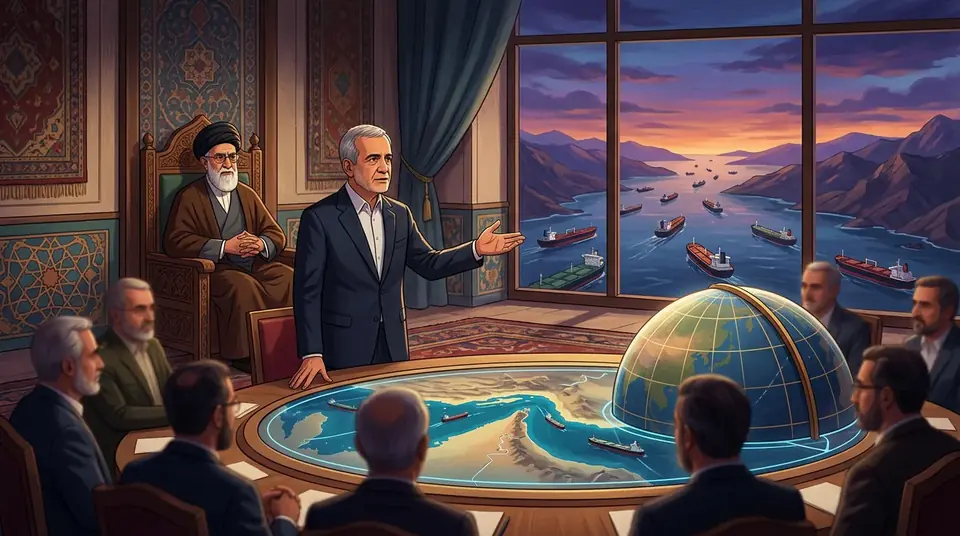
At a glance
- Iran has presented a 7-day plan to reopen the Strait of Hormuz at the UN Security Council.
- Tehran's conditions include the release of $12 billion in frozen assets and the lifting of oil sanctions.
- Reports indicate US President Donald Trump has rejected the proposal.
Story so far
Iran has proposed a seven-day roadmap to reopen the Strait of Hormuz, a key global oil route, and has now presented its case at the UN Security Council. The plan, backed by Supreme Leader Mojtaba Khamenei, requires the US to release at least $12 billion in frozen assets, lift oil sanctions, and end its naval blockade. Iranian President Masoud Pezeshkian has stated cooperation is contingent on the US meeting these obligations. However, reports indicate US President Donald Trump has rejected the plan.
Latest development
Iranian Foreign Minister Abbas Araghchi has addressed the UN Security Council, outlining Tehran's position on reopening the strategic Strait of Hormuz as part of a proposed seven-day ceasefire plan.
Latest updates
Iranian Foreign Minister Abbas Araghchi has presented Tehran's position on the Strait of Hormuz during a speech at the United Nations Security Council, as part of a push for a seven-day ceasefire plan.
In a new development, Iran has presented a seven-day roadmap for reopening the strategic Strait of Hormuz. The offer remains contingent on the United States fulfilling Tehran's conditions, which include the release of frozen assets and the lifting of sanctions.
Responses
You must be logged in to post a comment.
Latest Fact Checks
Iran president says supreme leader backs new plan to reopen Hormuz
TEHRAN: Iranian President Masoud Pezeshkian said Tehran’s new plan to reopen the strategic Strait of Hormuz was coordinated with supreme leader Mojtaba Khamenei, state media reported Saturday, quoting an interview with US media. Pezeshkian also told


Ek taraf aitemaad ki kami, doosri taraf $12 billion ke assets aur tel ki sanctions. Dono taraf se trust build karna ek lamba process hoga, khaas kar jab pehle se deadlock ho.
A seven-day ceasefire is a start, but the real test is sustained de-escalation. The stability of the global oil supply affects everyone, especially developing economies like ours.
Interesting ke is plan ko aage badhane ke liye ek dedicated team banai gayi hai. Yeh choti si detail shayad is baat ka ishara hai ke is baar satah ke neeche zyada serious koshish ho rahi hai.