

ICC Confirms Specifics for Revamped ODI and T20 World Cup Formats
 3 hours ago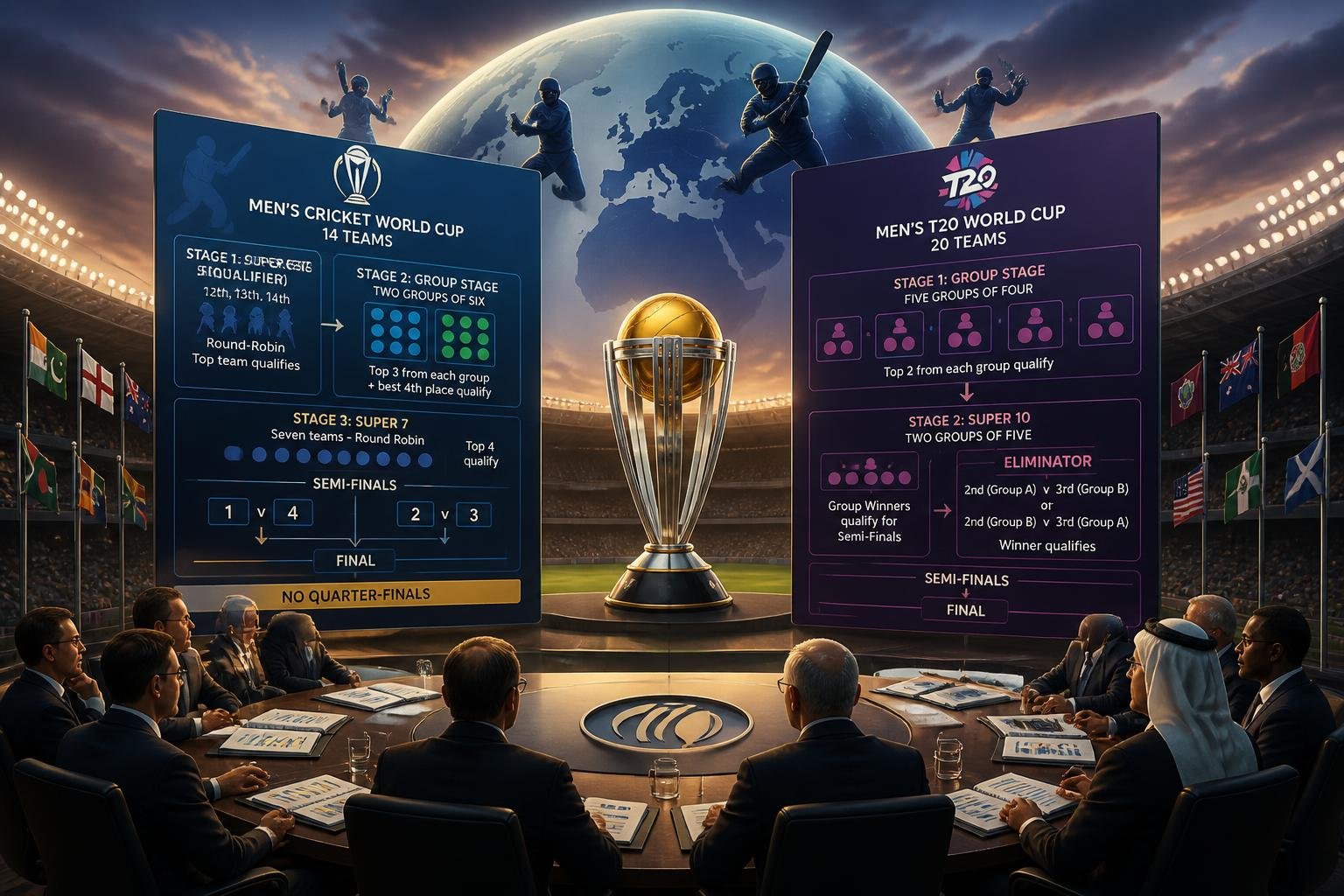
At a glance
- The International Cricket Council (ICC) has approved new structures for both the ICC Men’s Cricket World Cup and the ICC Men’s T20 World Cup, aiming to make global…
- These decisions were finalized during the ICC Board’s annual meetings in Edinburgh, endorsing recommendations from the Chief Executives’ Committee.
- The revamped formats are designed to deliver more meaningful contests, improve tournament competitiveness, and enhance the experience for players and fans.
Story so far: The International Cricket Council (ICC) has approved new structures for both the ICC Men’s Cricket World Cup and the ICC Men’s T20 World Cup, aiming to make global… These decisions were finalized during the ICC Board’s annual meetings in Edinburgh, endorsing recommendations from the Chief Executives’ Committee.
Latest development: The International Cricket Council (ICC) announced on Wednesday that the revamped format for the men’s 2027 one-day international World Cup will include a preliminary round for the three lowest-ranked qualifiers, with only one…
The International Cricket Council (ICC) has approved new structures for both the ICC Men’s Cricket World Cup and the ICC Men’s T20 World Cup, aiming to make global events more competitive. These decisions were finalized during the ICC Board’s annual meetings in Edinburgh, endorsing recommendations from the Chief Executives’ Committee. The revamped formats are designed to deliver more meaningful contests, improve tournament competitiveness, and enhance the experience for players and fans.
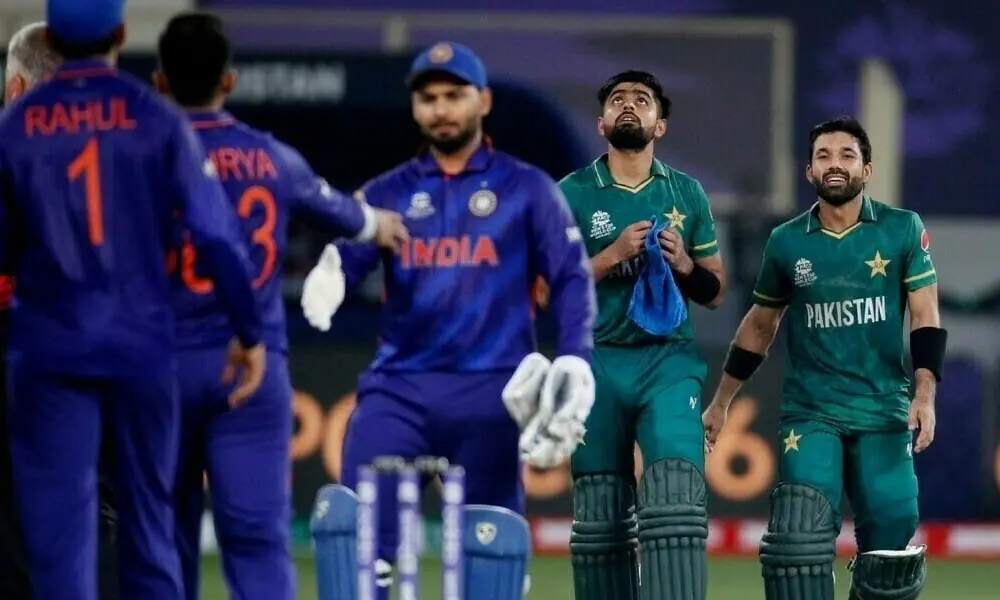
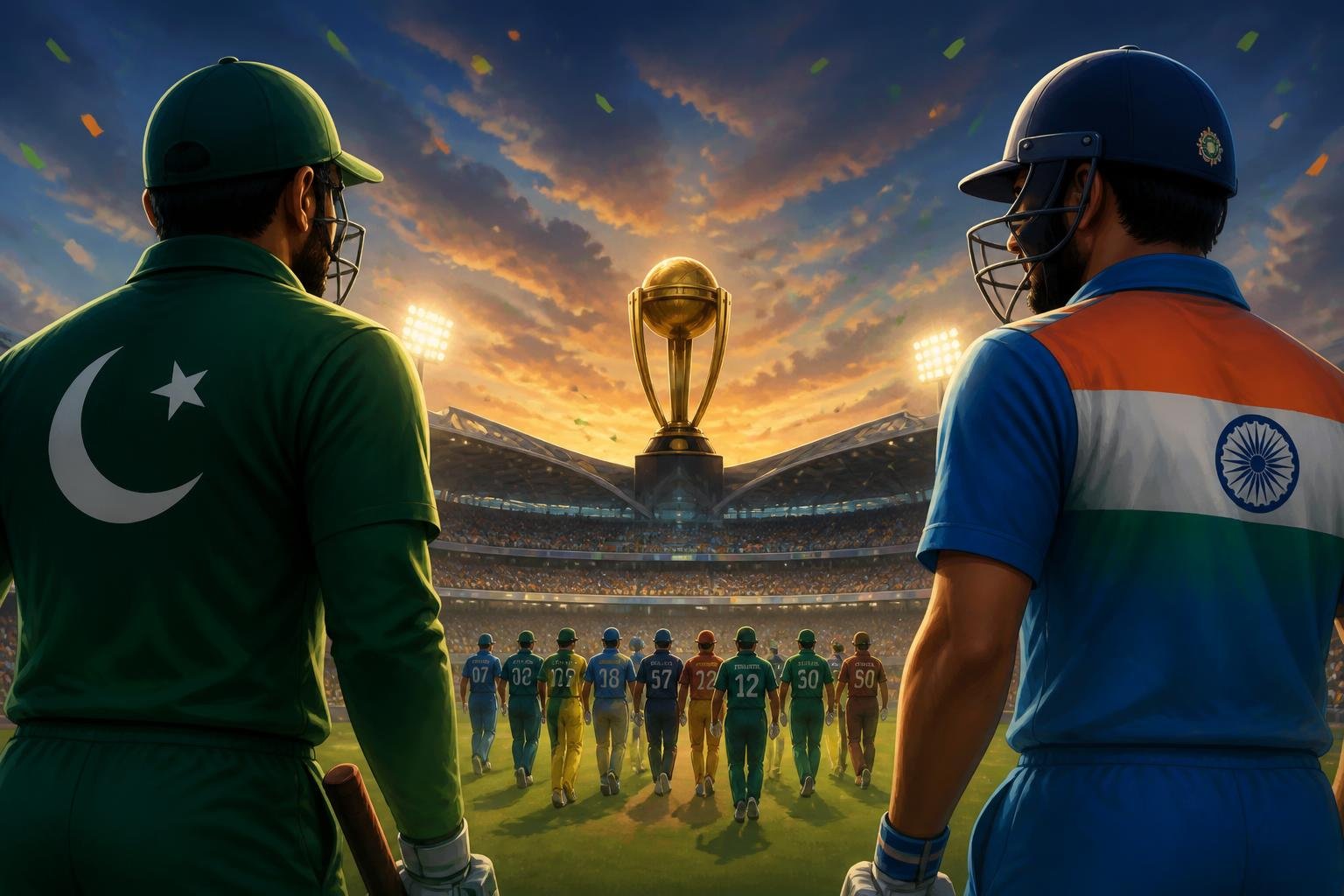
For the Men’s Cricket World Cup, which will continue to feature 14 teams, the competition will now be played in three stages before the knockout rounds. Under the revised format, the teams ranked 12th, 13th, and 14th will first compete in a round-robin qualifying phase called the Super Series, with only the winner progressing to the main tournament. The main competition will then feature two groups of six teams. The top three sides from each group, along with the best-performing fourth-placed team across both groups, will qualify for the newly introduced Super 7 stage. In the Super 7, all seven teams will play each other once, with the top four advancing to the semi-finals. The first-ranked team will face the fourth-ranked side, while the second and third-placed teams will meet in the other semi-final before the winners contest the final. This structure ensures every match has greater significance while continuing to provide emerging cricketing nations with opportunities to compete. Significantly, there will be no quarter-finals. An additional team in the round-robin phase, however, increases the prospects of an extra match between India and Pakistan, who currently do not meet outside of ICC events due to political tensions. The last bilateral series between them in Pakistan was in 2006.
The governing body also approved a revamped format for the 20-team Men’s T20 World Cup. Instead of four groups of five teams, the tournament will now begin with five groups of four teams each. The top two teams from every group will progress to a newly created Super 10 stage, replacing the previous Super Eights. The Super 10 phase will consist of two groups of five teams. The winners of each group will secure automatic places in the semi-finals. An additional Eliminator round will also be introduced, with the second-placed team from one Super 10 group taking on the third-placed team from the other. The winners of those matches will also advance.
Latest Updates
The International Cricket Council (ICC) announced on Wednesday that the revamped format for the men’s 2027 one-day international World Cup will include a preliminary round for the three lowest-ranked qualifiers, with only one advancing to the main group stage. For the men’s T20 World Cup in 2028, 10 sides will now qualify from the group stage, an increase from the previous eight.
Sources: Dawn News GNN Capital TV

Responses