

Debate Intensifies Over Possible Governor’s Rule in Khyber Pakhtunkhwa
At a glance
- The federal government is reportedly considering imposing Governor's Rule in KP.
- The move is linked to tensions over PTI's planned long march and security concerns.
- PML-N leaders and legal experts are publicly debating the justifications for intervention.
Story so far
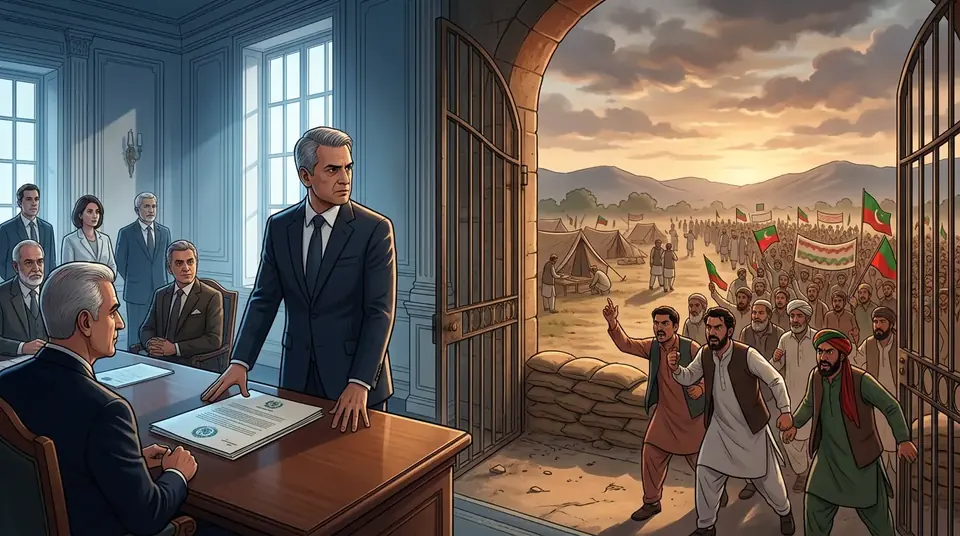
Amid escalating political tensions, the federal government is reportedly considering the imposition of Governor's Rule in Khyber Pakhtunkhwa. The debate is centered around the PTI-led provincial government's planned long march on Islamabad and concerns over the security situation in the province. Federal figures, including the KP Governor and PML-N's Amir Muqam, had previously indicated that such a move was legally possible if the federal government decided to proceed.
Latest development
PML-N leader Babar Nawaz Khan has publicly urged the federal government to impose Governor's Rule in KP, citing law and order issues and accusing the provincial government of obstructing national security policy. Legal expert Anwar Mansoor Khan also outlined potential legal grounds for such a move.
Latest updates
As discussions around the potential imposition of Governor's Rule in Khyber Pakhtunkhwa continue, political figures and legal experts have begun to publicly outline their justifications for such a move.
PML-N leader Babar Nawaz Khan has openly called for federal intervention, arguing that the legal requirements under Article 232 or 234 of the Constitution have been met. He cited deteriorating law and order and economic conditions in the province, and accused the PTI-led government of obstructing national security policies, particularly in relation to the TTP. He urged the federal government not to delay, framing the intervention as a "better decision" for both the province and the country.
Adding a legal perspective, former Attorney General Anwar Mansoor Khan suggested that the provincial government's alleged failure to implement the National Action Plan and its preference for dialogue with militants over confrontation could serve as grounds for federal action. He pointed to a lack of progress in madrassa reforms and development in the tribal districts as further evidence of the provincial government's shortcomings.


Responses