

Load-shedding worsens in Punjab; protests erupt in Peshawar
At a glance
- Severe unannounced load-shedding continues across Punjab, especially Lahore.
- Citizens in Peshawar protest against prolonged power cuts, blocking a major road.
- A nightly surge in demand to 5,200 MW in the LESCO region is worsening the shortfall.
Story so far
Pakistan is facing a severe electricity crisis with widespread, unannounced load-shedding amid a heatwave. The Power Division has cited a 3,600MW shortfall due to LNG shortages, while business forums question the outages given the country's total installed capacity. Power companies are also seeking a fuel cost adjustment of Rs 2.52 per unit.
Latest development
As severe load-shedding continues across Punjab, with some Lahore areas facing one-hour cuts after every hour of supply, protests have erupted in Peshawar over the electricity crisis.
Latest updates
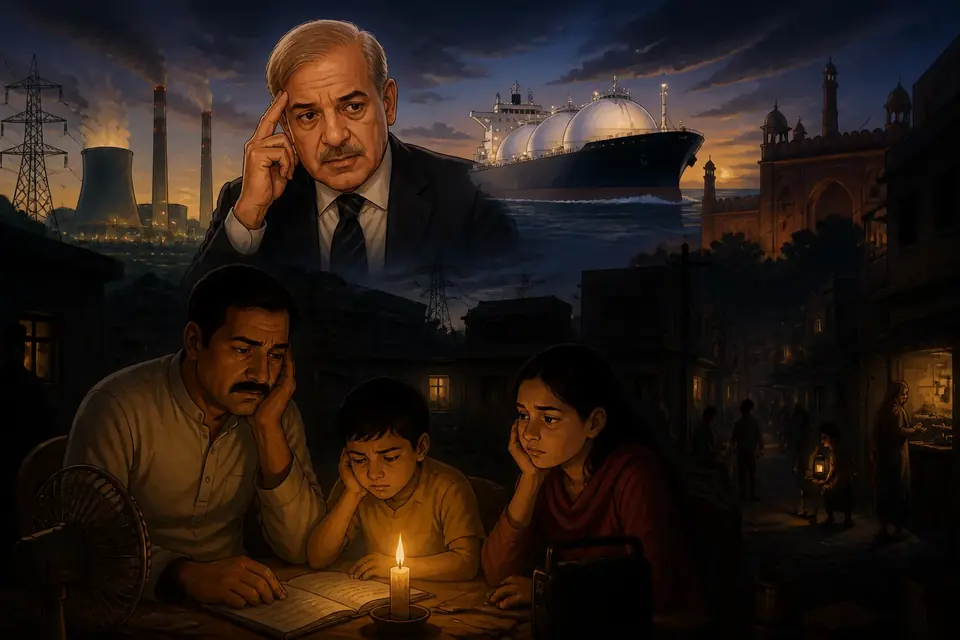
The electricity crisis has intensified across Punjab, with residents in the LESCO region reporting severe unannounced load-shedding, particularly in the evenings. In some areas of Lahore, power is being cut for an hour after every hour of supply.
Sources indicate that in addition to a shortfall in power generation, LESCO's strained distribution system and frequent technical faults are contributing to the prolonged outages. Demand for electricity from the grid reportedly surges from around 3,700 MW during the day to 5,200 MW at night as solar systems go offline, widening the supply gap.
Meanwhile, citizens in Peshawar took to the streets to protest against the persistent power cuts, blocking University Road in the Tehkal area to demand an end to the severe load-shedding.
The power crisis has intensified in Lahore, where residents are facing extreme hardship as prolonged, unannounced electricity load-shedding coincides with a severe heatwave, making daily life miserable.
The Pakistan Business Forum (PBF) has voiced serious concern over the recurrence of electricity load management, questioning why consumers face prolonged power outages despite the country having an installed generation capacity of 49,651MW.
In a statement, the PBF said the business community questions how consumers can continue to pay fixed charges and capacity-related costs while the power supply remains unreliable. The forum attributed the latest disruptions to "fundamental weaknesses in power-sector planning, fuel security and capacity utilisation."
The PBF noted that while Pakistan’s installed generation capacity reached 49,651MW by March 2026, an increase of 8.5% from the previous year, 13 commissioned Independent Power Producers (IPPs) with a combined capacity of 5,105MW were reported to be closed.
The forum argued that the issue is no longer just about generation capacity but about utilisation, planning, and the economic cost of keeping capacity available without ensuring a reliable supply.
Amid ongoing power outages, consumers in areas serviced by the Lahore Electric Supply Company (LESCO) are now questioning the distinction between official "load management" and unannounced "load-shedding". The public's demand for clarity comes as residents continue to face prolonged electricity cuts during a severe heatwave.
Electricity load-shedding has intensified in Lahore, adding to the difficulties faced by residents as the power crisis worsens in the region serviced by the Lahore Electric Supply Company (LESCO).
Residents of Rawalpindi and Islamabad are experiencing prolonged and unannounced electricity load-shedding, adding to the difficulties caused by the ongoing heatwave.
The power cuts in the twin cities come as Pakistan continues to grapple with a major power crisis, with the national shortfall previously stated to be over 4,000 megawatts.
Reports from across Pakistan indicate that the ongoing electricity load-shedding has now become unannounced, compounding the difficulties for citizens already grappling with a severe heatwave.
Late-night electricity load-shedding has resumed across Pakistan, with reports attributing the power cuts to a shortage of Liquefied Natural Gas (LNG) and delays in cargo arrivals.
Widespread and unannounced electricity load-shedding is sparking public outrage across Pakistan, compounding difficulties for citizens already dealing with a severe heatwave.
The severe heatwave and electricity load-shedding have intensified across Pakistan, according to reports on Saturday, August 29, further exacerbating difficulties for the public.
The power crisis has intensified in areas serviced by the Lahore Electric Supply Company (LESCO), where a shortfall of 1,200 megawatts has been reported amid rising electricity demand.
Severe electricity load-shedding is continuing across Pakistan, with the situation made worse by an intense heatwave and high humidity. Reports from cities including Lahore indicate that prolonged power outages are adding to the public's difficulties amid the sweltering weather.
The government on Saturday apologised to consumers for electricity loadshedding during night-time hours, attributing it to the unavailability of regasified liquefied natural gas (RLNG).
In a statement, the Power Division spokesperson said that a delayed RLNG cargo resulted in a 3,600-megawatt shortfall, necessitating "temporary" load management of 1.5 to three hours during the previous night's peak hours. The situation was compounded by a 195 MW decline in generation from Mangla Dam.
The division stated that furnace oil-based power plants were operated to meet demand and assured that load management would be reduced once the delayed cargoes arrive. Consumers were also urged to "moderate their electricity usage during peak hours at night".
The statement noted that disruptions to RLNG supply from Qatar have been ongoing since the start of the US-Iran war, leading to the purchase of expensive spot cargoes in July and a subsequent surge in power generation costs. Power companies have now sought a Rs 2.52 per unit fuel cost adjustment for September bills.
The Power Division has issued a statement regarding the severe electricity load shedding being experienced across the country. The statement comes as the national power shortfall continues to impact daily life, with cities like Rawalpindi also reporting extensive outages.
The Punjab Assembly has passed a resolution condemning the ongoing electricity load shedding and power outages affecting the province.
Latest Fact Checks
لاہور سمیت پنجاب میں شدید گرمی کے دوران لوڈشیڈنگ کا جن بے قابو
شدید گرمی اور حبس کے دوران لاہور سمیت پنجاب بھر میں بجلی کی غیر اعلانیہ لوڈشیڈنگ نے شہریوں کی مشکلات میں اضافہ کر دیا، جبکہ لیسکو ریجن میں شام ہوتے ہی بدترین لوڈشیڈنگ کا سلسلہ شروع ہونے کی شکایات سامنے آرہی ہیں۔
PBF expresses concern over the recurrence of electricity load management
KARACHI: Pakistan Business Forum (PBF) has expressed serious concern over the recurrence of electricity load management despite the country having an installed generation capacity of 49,651MW, saying the latest disruption caused by the shortage of RL
Govt apologises for ‘temporary’ night-time loadshedding due to unavailability of RLNG
The government on Saturday apologised to consumers for electricity loadshedding during the night, attributing it to the unavailability of regasified liquefied natural gas (RLNG), and assured them that load management would be reduced “as soon as” the
Electricity shortfall worsens, load shedding hits Lahore, other Punjab cities
LAHORE – The electricity load shedding has been extended across Punjab as the country’s power shortfall continues to rise, with…
ملک میں بجلی کا شارٹ فال 4 ہزار میگا واٹ سے تجاوز کرگیا
ملک میں بجلی کا شارٹ فال بڑھنے سے لاہور سے پنجاب بھر میں بجلی کی لوڈشیڈنگ طویل ہوگئی۔


Responses