

Iran Proposes Peace Framework and Issues Warnings to United States
Story so far
Iranian leadership has announced a proposed framework to end current hostilities while simultaneously issuing warnings to the United States and Israel. International stakeholders, including China, have commented on the escalation as US CENTCOM monitors regional developments and Donald Trump addresses nuclear transfer policies. The diplomatic shift has put US military bases in the Middle East under increased scrutiny.
Latest updates
Recent polling indicates a majority of the American public desires an immediate end to the war with Iran, with widespread skepticism about achieving a positive outcome. A New York Times/Siena College survey found 52% of Americans support ending the war, while a Pew Research poll revealed two-thirds lack confidence in achieving US objectives. Data also shows significant public concern that the conflict has increased terrorism risks and damaged America's global relations.
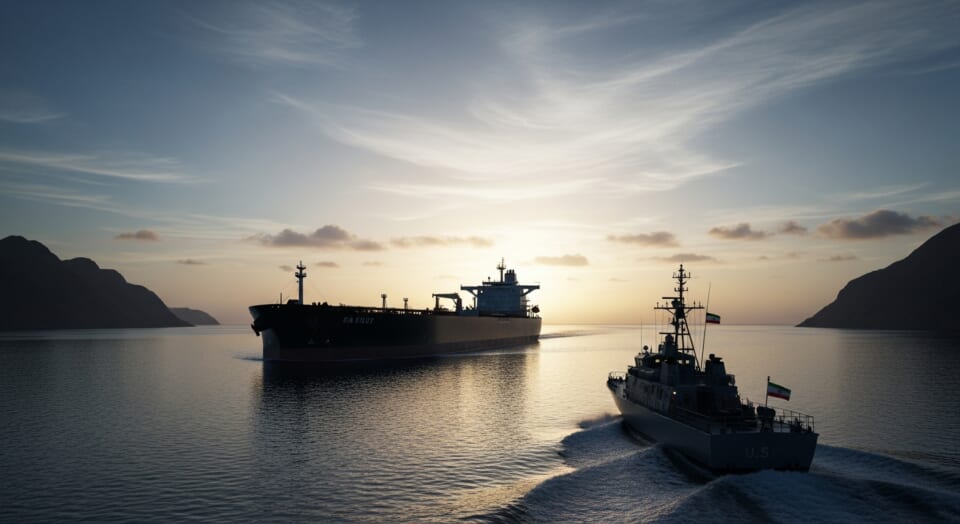
According to Cato Institute senior fellow Doug Bandow, the conflict has shifted to an economic arena centered on mutual blockades in the Strait of Hormuz. He noted that the US president is in a difficult position, having unintentionally given Iran a powerful strategic tool, and is now under pressure to secure a deal acceptable to Tehran, partly due to concerns over the war's potential impact on upcoming mid-term elections.
Iranian officials have issued calls for greater unity and cooperation among Muslim countries to resolve regional crises. Foreign Minister Abbas Araghchi stated on social media that Muslim leaders are standing together to pave the way for peace and harmony, emphasizing the high importance of solidarity in the region.
Separately, Iranian Speaker Baqer Qalibaf urged Islamic countries to increase their unity, asserting that a strong alliance can play a key role in resolving conflicts. He added that the unity of the Muslim world against its enemies is the key to success.
The United States military has conducted new strikes against an Iranian military site which officials said posed a threat to US forces and commercial maritime traffic in the Strait of Hormuz. A US official confirmed the attacks were intended to eliminate this threat. American forces also reportedly shot down several Iranian drones during the operation.
Prior to the confirmation, Iranian media reported that three explosions were heard east of the port city of Bandar Abbas around 1:30 a.m. local time. The city's air defence system was briefly activated, though the precise location and nature of the blasts were not immediately clear.
Hostilities between the United States and Iran escalated sharply after US forces struck an Iranian drone operation near Bandar Abbas, shooting down four drones and hitting a ground control station. In response, Iran's Islamic Revolutionary Guard Corps (IRGC) targeted a US airbase in the region, claiming to have also blocked three ships from entering the Strait of Hormuz and warning of a more decisive response to any future aggression.
The military exchange sent global oil prices surging over 3%. On the diplomatic front, US President Donald Trump dismissed reports of a potential compromise deal, asserting that no single country would control the strategic waterway and that sanctions would not be eased. The White House called an Iranian state TV report on a draft agreement a "complete fabrication," and the US Treasury sanctioned the Iranian authority established to manage passage through the strait.
The United States military has carried out new strikes in Iran, targeting a military site that officials believed posed a threat to U.S. forces and commercial shipping in the Strait of Hormuz, a U.S. official said Wednesday. American forces also intercepted and shot down multiple Iranian drones that were assessed as a similar threat.
The previously unreported strikes occurred during ongoing negotiations to end the three-month-old war. They follow what the U.S. called defensive strikes on Monday against Iranian boats attempting to lay mines and missile launch sites, which Iran deemed a violation of a fragile ceasefire.
US President Donald Trump on Wednesday dismissed reports of a draft peace agreement that would see Iran and Oman jointly manage the strategic Strait of Hormuz, signaling that a deal to end the three-month conflict remains elusive. An Iranian state TV report had outlined a framework that included restoring commercial shipping, lifting the US blockade on Iranian ports, and withdrawing American military forces. Trump, however, stated that no single country would control the international waterway and issued a warning to Oman.
The White House labeled the Iranian report a 'complete fabrication,' underscoring the significant distance between the two sides. Key sticking points in negotiations include the reopening of the strait, the dismantling of Iran's nuclear program, and the lifting of sanctions. Trump also reiterated his demand for several regional countries, including Pakistan, to normalize relations with Israel as part of any comprehensive agreement.
Oil prices fell by 5% on Wednesday amid investor optimism over progress in US-Iran peace negotiations, with Brent crude settling at $94.29 a barrel and US West Texas Intermediate at $88.68. While US Secretary of State Marco Rubio noted some progress in the talks, President Donald Trump maintained that significant issues remain unresolved, a sentiment echoed by Iranian media.
Hopes for the reopening of the Strait of Hormuz have been a key driver for the market. Although Washington dismissed an Iranian state television report of a framework deal to restore shipping, an Iranian military leader stated the possibility of returning to war is low. Limited shipping has resumed through the critical waterway, reinforcing expectations of a gradual reopening that could restore more than 14 million barrels per day of Middle East oil supply to the global market.
US President Donald Trump has stated that a deal with Iran has not been finalized, as the United States is not yet satisfied with the proposed agreement or Tehran's offer. Speaking at a cabinet meeting, Trump asserted that Iran is "desperate" for a deal and that any strategy to buy time will not succeed. He reiterated that Iran will not be allowed to possess nuclear weapons but could receive sanctions relief in exchange for abandoning highly enriched uranium, adding that he is in no hurry to finalize an agreement.
Meanwhile, Prime Minister Shehbaz Sharif expressed hope for a swift conclusion to a peace agreement during a telephone conversation with Iranian President Dr. Masoud Pezeshkian. The Prime Minister reaffirmed Pakistan's solidarity with Iran and its leadership. President Pezeshkian thanked PM Sharif and Field Marshal Syed Asim Munir for Pakistan's significant role in regional peace efforts, also acknowledging the contributions of Saudi Arabia, Qatar, and Turkiye.
The White House has dismissed reports from Iranian state-controlled media regarding a memorandum of understanding as "completely fabricated." A spokesperson stated that while negotiations with Iran are progressing well, President Trump has made his red lines clear on the matter.
The disputed reports claimed the proposed deal involved the United States lifting its naval blockade in exchange for Iran restoring commercial shipping in the Strait of Hormuz within a month. The Iranian reports also suggested that Iran would manage the sea lanes with Oman's cooperation, excluding military vessels.
Prime Minister Shehbaz Sharif on Wednesday discussed Pakistan's ongoing efforts to secure regional peace in separate telephone calls with the leaders of Iran, Kuwait, and Malaysia. During a call with Iranian President Masoud Pezeshkian, the prime minister expressed hope for a swift finalisation of a peace deal between Iran and the United States, which he said would unlock Iran's economic potential and benefit the region. The Iranian president thanked PM Shehbaz and Field Marshal Asim Munir for Pakistan's role in the peace efforts.
In conversations with Kuwait's Crown Prince Sheikh Sabah Al Khaled Al Hamad Al Mubarak Al Sabah and Malaysian Prime Minister Dr Anwar Ibrahim, both leaders lauded Pakistan's 'remarkable' role in achieving a ceasefire and mediating a lasting settlement. The Kuwaiti crown prince assured his country's full support for Pakistan's initiatives. The prime minister credited the diplomatic efforts of Field Marshal Syed Asim Munir and Foreign Minister Ishaq Dar for advancing the peace process.
The White House on Wednesday strongly refuted an Iranian state television report about a framework deal with the United States, calling the purported memorandum of understanding a 'complete fabrication.' The denied report claimed the US had committed to lifting its naval blockade and withdrawing forces from the Gulf region.
Separately, US President Donald Trump told a cabinet meeting that Iran 'very much' wants to make a deal, but that the US is 'not satisfied with it yet.' Trump stated that either an agreement would be reached or the US would have to 'finish the job.'
A draft memorandum of understanding has emerged from indirect talks between Iran and the United States, aimed at de-escalating the recent conflict. Under the proposed framework, the US would lift its naval blockade and withdraw military forces from Iran's vicinity. In return, Tehran would restore commercial shipping in the Strait of Hormuz to pre-war levels within one month.
The unofficial framework, reportedly mediated by Pakistan, is not yet final. Iranian officials have stated that no steps will be taken without tangible verification and practical guarantees. The agreement, which excludes military vessels and places Iran in charge of managing the strait with Omani cooperation, could become a binding UN Security Council resolution if finalized within 60 days.


Reactions and comments