

Iran Vows Decisive Response to Any Attack, Asserts Military Readiness
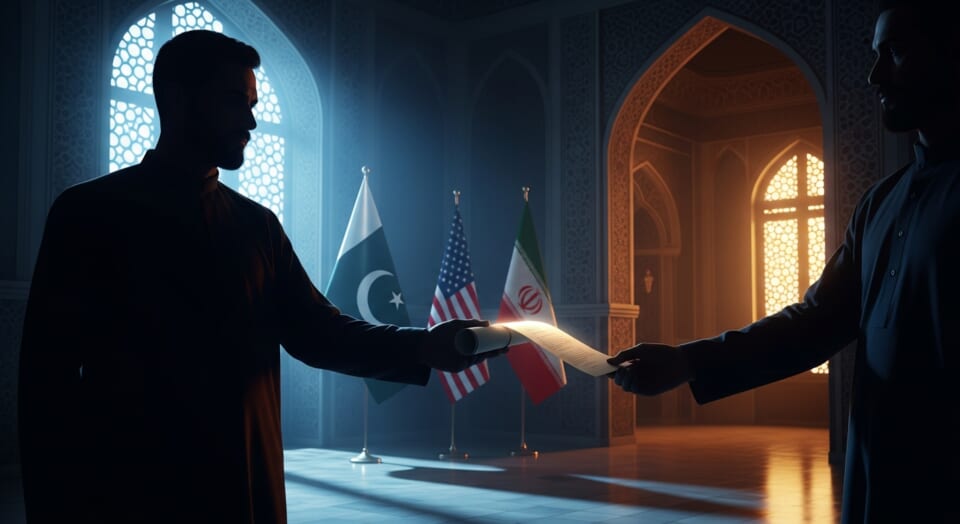
The Iranian military has issued a stark warning that it will employ “new fronts and new strategies” if the country is subjected to another attack, asserting that the Islamic Republic cannot be besieged or defeated. The threat comes as Tehran has reportedly used Pakistan as a mediator to convey its conditions for de-escalation to the United States.
Tehran’s core demands for reducing regional tensions include the restoration of its frozen assets, a complete lifting of all economic sanctions, and compensation for war damages. Additionally, Iran is seeking an end to the blockade of its ports and a comprehensive ceasefire on all fronts, including Lebanon.
Speaking at a public gathering, Iranian army spokesman Brigadier General Muhammad Akrami stated that if the “enemy” makes another “mistake” by attacking Iran, the response will involve “new weapons and new methods.” He added that the armed forces have treated the current ceasefire period as a “wartime period” to further bolster their military capabilities.
Regarding the strategic Strait of Hormuz, Akrami asserted that Iran now has “complete control” over the waterway and that the situation there “will not be the same as before.” New naval restrictions have reportedly been imposed, requiring all vessels to obtain Iranian permission before passing. Officials have linked the full restoration of the strait to the end of the US naval blockade and the establishment of a permanent peace.
This military posturing is supported by political leaders. Ibrahim Rezaei, a spokesman for the Parliamentary National Security and Foreign Policy Commission, warned that any new aggression would be met with a “harsh response,” stating the US must either “surrender to our conditions or bow to the power of our missiles.” Meanwhile, President Massoud Pezeshkian has insisted that while Iran is open to negotiations, it does not equate to surrender and the country remains committed to defending its national interests.


Reactions and comments