

US-China Summit Ends With Deep Divides Amid Corporate Diplomacy Push
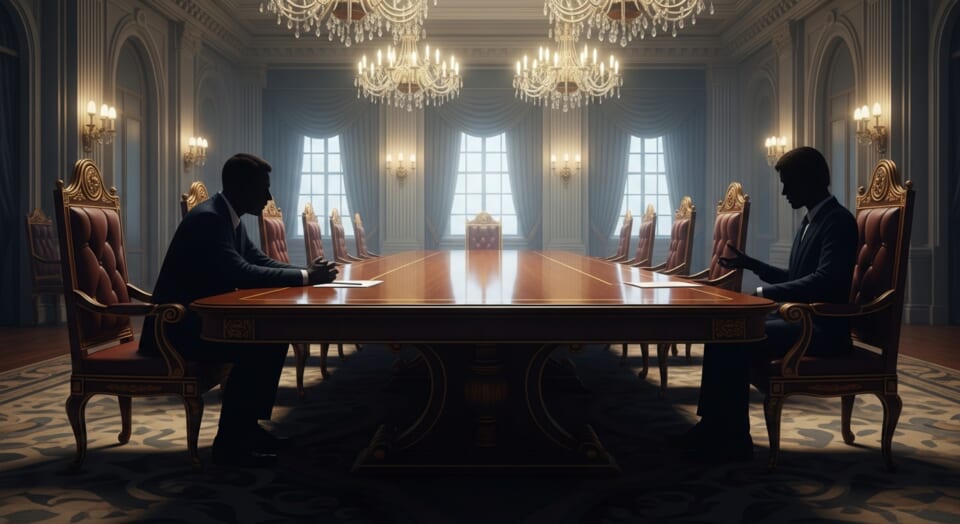
A two-day summit between US President Donald Trump and Chinese President Xi Jinping concluded with public displays of warmth but underscored a deepening strategic divide, as the two powers issued separate and often conflicting statements on key issues.
Discrepancies were most apparent on trade. The US announced that China had agreed to purchase 200 aircraft from Boeing and would grant American companies greater access to Chinese markets, including for agricultural products. However, neither China’s official statements nor Boeing confirmed any such deal. Similarly, Washington claimed an agreement was reached to halt the trafficking of the synthetic opioid fentanyl, a topic absent from Beijing’s public readouts.
Iran also emerged as a major point of divergence. The White House stated both leaders agreed Iran must never acquire nuclear weapons. China’s statement was more circumspect, asserting the conflict should not have started and urging a negotiated solution. Regarding the Strait of Hormuz, the US claimed a mutual agreement to keep the vital maritime route open, whereas China only noted the negative impact of the conflict on global energy supplies and trade. After the summit, Trump suggested he might ease sanctions on Chinese firms buying Iranian oil and claimed Xi had assured him China would not supply military hardware to Tehran, though no formal agreements were announced.
Taiwan remains the most sensitive issue in the bilateral relationship. President Xi delivered a stark warning that mishandling the issue could push relations into a “dangerous place” and potentially lead to conflict, reaffirming it as a core national interest. While US officials reiterated their policy opposing any use of force, the American statement on the summit notably did not mention Taiwan, and President Trump remained ambiguous about a proposed arms package for the island.
Ultimately, the summit produced no major breakthroughs on persistent trade and technology disputes. While both leaders spoke of stability and cooperation, their discussions served more to manage tensions than to forge substantive agreements. The meeting highlighted a new phase in US-China relations, where high-level diplomacy functions primarily to maintain communication channels in an increasingly competitive environment.
UPDATE – 16 May 2026, 2:13 PM PKT
President Donald Trump has hailed his visit to Beijing as a historic breakthrough following reports that a China-America deal has been finalized and China is distancing itself from Iran. While Trump has reportedly agreed to negotiations on the Iran-US conflict, President Xi Jinping allegedly characterized the United States as a decaying country during the high-level talks. President Trump now faces mounting pressure on his Iran policy as Beijing issues a major statement on the regional crisis.
[activity-stream-raw include=”7416,7382,7410,7446,7484,7518,7541,7557″ per_page=20 display_comments=0 sort=DESC]


Reactions and comments