

Iran-US Negotiations and Statements
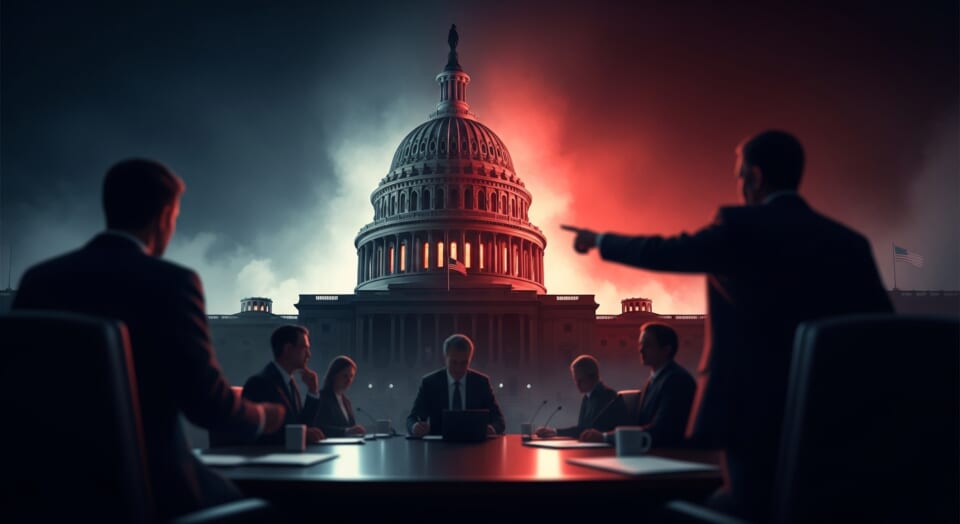
Capital TV reported that Trump announced “big good news,” raising questions if an Iran-US deal had been reached. However, a clash over an Iran-US deal was reported, with Iran stating it cannot trust the United States. Baqir Qalibaf warned Trump. The New York Times reported on Trump’s new hardline proposal to Iran.
 Latest Updates
Updated: 11:00 PM PKT — June 1, 2026
US President Donald Trump held a telephone conversation with Israeli Prime Minister Benjamin Netanyahu to discuss the latest regional developments.
In a separate television interview, Trump stated he would not be concerned if nuclear negotiations with Iran were to end, clarifying that Tehran has not formally withdrawn and a collapse of talks would not automatically lead to military action. The US President also said he would discuss the escalating situation in Lebanon with the Israeli Prime Minister, where both Israeli forces and Hezbollah have intensified attacks.
Updated: 9:28 PM PKT — June 1, 2026
In a telephone call with Deputy Prime Minister and Foreign Minister Ishaq Dar, Iranian Foreign Minister Abbas Araghchi requested that Pakistan play a role in de-escalating the current regional situation. The Iranian minister expressed grave concern over Israeli ceasefire violations in Lebanon and potential attacks on Beirut. Both ministers stressed that maintaining the ceasefire was essential, and they agreed to remain in close contact and continue consultations on the evolving situation.
Updated: 4:50 PM PKT — June 1, 2026
French President Emmanuel Macron has encouraged his US counterpart, Donald Trump, to continue efforts to secure a ceasefire agreement with Iran, describing it as a “unique opportunity” for lasting stabilization in the Middle East. The diplomatic push comes as Israeli military operations against Hezbollah expand in southern Lebanon.
Tehran has reportedly made a ceasefire in Lebanon a key condition for any deal with Washington. In a call with Trump, Macron welcomed the US president’s commitment to Lebanon’s sovereignty and territorial integrity, underscoring the importance of a robust ceasefire in the region.
Updated: 3:16 PM PKT — June 1, 2026
Iran has dismissed as baseless media reports claiming President Masoud Pezeshkian has sought to resign. The speculation, which circulated in US media, suggested the president felt sidelined from key decision-making processes and had expressed grievances over limited executive authority due to the influence of hardline factions.
Iranian authorities, however, have strongly rejected the allegations. Officials linked to the presidency stated that President Pezeshkian has not submitted any request to step down and continues to carry out his constitutional responsibilities. The denial comes amid ongoing diplomatic engagement between Iran and the United States.
Updated: 2:46 PM PKT — June 1, 2026
Iran has accused the United States of violating the ceasefire, citing a naval blockade and an increase in “war crimes” in Lebanon as evidence of non-compliance. Iranian Speaker Mohammad Baqer Qalibaf stated that the US is not adhering to the truce, a sentiment echoed by the Foreign Ministry, which termed recent American military actions as “aggressive” and a breach of the agreement.
An Iranian Foreign Ministry spokesman asserted that Iran’s retaliatory strikes were an act of self-defence, targeting bases used for illegal attacks. Officials in Tehran have now made a ceasefire in Lebanon an essential component of any potential agreement to end the wider conflict with the US, stating that a lack of trust and shifting American and Israeli actions in Lebanon are delaying the diplomatic process.
Updated: 2:15 PM PKT — June 1, 2026
The United States and Iran have exchanged fresh military strikes, escalating tensions despite ongoing ceasefire efforts. US Central Command said it struck Iranian military sites over the weekend after an American drone was downed, destroying air defence systems and other targets. In response, Iran’s Islamic Revolutionary Guard Corps claimed it targeted a US air base.
The clashes have widened regional anxieties, with Kuwait’s air defences intercepting missiles and drones, leading Kuwait to hold Iran “fully responsible.” Amid the hostilities, US President Donald Trump stated on social media that Iran “really wants to make a deal,” but Iran’s foreign ministry blamed diplomatic delays on a lack of trust, contradictory US positions, and Israeli attacks in Lebanon.
Updated: 12:13 PM PKT — June 1, 2026
Reports of a potential US-Iran ceasefire and the reopening of the Strait of Hormuz have ignited a fierce policy debate in Washington, particularly as the 2026 midterm elections approach. Influential think tanks are offering starkly different analyses of the situation and its consequences for US President Donald Trump’s administration. Some experts, like James M. Lindsay of the Council on Foreign Relations, warn that economic fallout from the conflict, including rising fuel prices and inflation, could damage the Republican party’s prospects in the elections.
Other analysts focus on geopolitical strategy. Brett McGurk of the Atlantic Council remains skeptical of any lasting agreement, arguing that Iran’s revolutionary ideology is the primary driver of its actions. Meanwhile, Philip Gordon from the Brookings Institution points to a growing rift between the US and its European allies over Middle East policy. In contrast, Rebeccah L. Heinrichs of the Hudson Institute advocates for maintaining “maximum pressure” on Tehran, urging the rejection of any interim deals that provide economic relief.
[activity-stream-raw include=”30987,30911,30889,30811,30695,30687,30644,30641,30635,30623,30636,30616,30654,30621,30581,30565,30582,30571,30573,30584,30540,30539,30544,30461,30542,30499,30497″ per_page=20 display_comments=0 sort=DESC]


Comments