

0Coins

ICC Warrants for Taliban Leaders Allege Murder, Torture, Gender Persecution
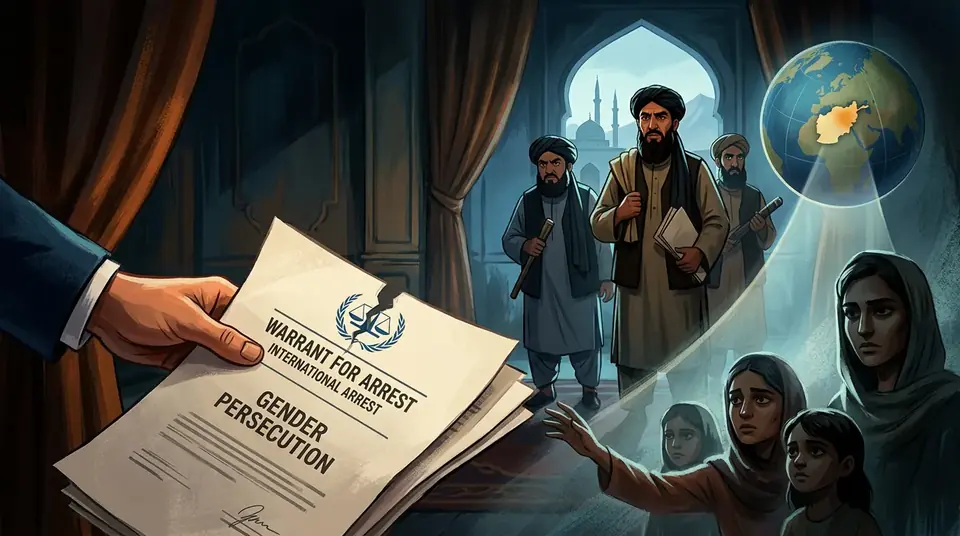
Animated editorial illustration for: ICC Warrants for Taliban Leaders Allege Murder, Torture, Gender Persecution
0:000:00
AI-assisted editorial illustration — not a photograph.

At a glance

  • ICC unseals arrest warrants for four senior Taliban leaders, including the Supreme Leader.
  • Charges include crimes against humanity for gender and political persecution.
  • Allegations now specified to include murder, torture, rape, and enforced disappearances.

Story so far

The International Criminal Court (ICC) unsealed arrest warrants for four senior members of the Afghan Taliban government, accusing them of crimes against humanity. The warrants name Supreme Leader Haibatullah Akhundzada, Supreme Court President Abdul Hakim Haqqani, Minister of Education Habibullah Agha, and Minister of Higher Education Neda Mohammad Nadeem. The initial charges focused on persecution on gender grounds, particularly the restriction of education for women and girls.

Latest development

The International Criminal Court has revealed that arrest warrants for senior Taliban leaders cover alleged crimes against humanity including murder, torture, rape, and enforced disappearances, in addition to the previously cited charge of gender persecution. The alleged crimes took place between August 2021 and January 2025.

Latest updates

Further details released by the International Criminal Court (ICC) indicate that the unsealed arrest warrants against senior Taliban leaders cover a wider range of alleged atrocities than previously detailed. In addition to persecution on gender and political grounds, the alleged crimes linked to Taliban policy now explicitly include murder, imprisonment, torture, rape, and enforced disappearances.

The court has specified that these alleged crimes against humanity occurred between August 15, 2021, and at least January 20, 2025. The decision to make the warrants public aims to prevent further crimes and enhance international cooperation.

Responses

  1. A significant step by the ICC. Even if enforcement is a challenge, publicly naming this as a crime against humanity sets a crucial international precedent. It’s a formal recognition of the right to education.

Latest Fact Checks

>

Share story