
Pakistan Implements Daily Petrol Price Review, OGRA to Publish Data

Pakistan Implements Daily Petrol Price Review, OGRA to Publish Data
0:000:00

At a glance

  • Pakistan has implemented daily adjustments for petrol prices starting July 18.
  • OGRA will review and publish prices, including international benchmarks and component breakdowns.
  • Oil marketing companies have expressed strong opposition due to financial concerns.

Story so far

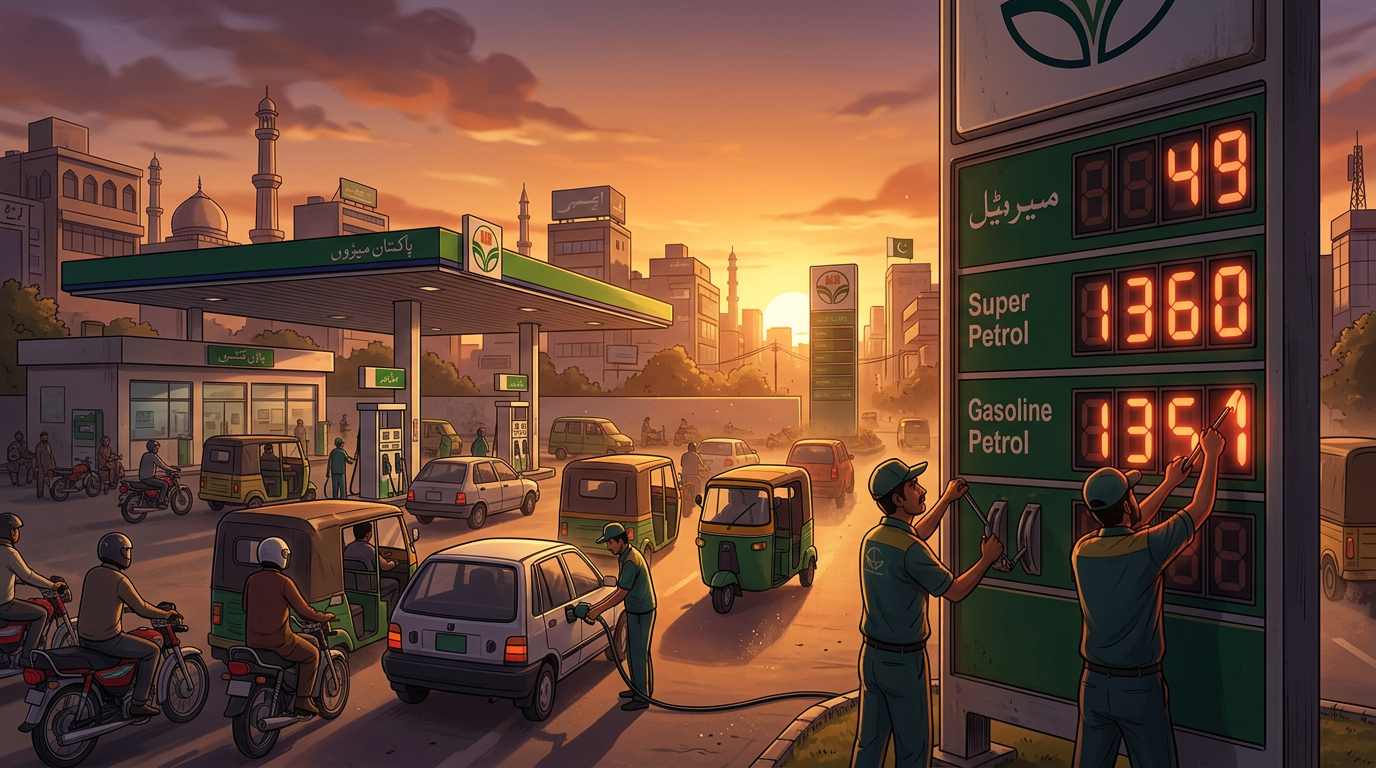
Pakistan has implemented a new policy for daily adjustments of petrol prices, effective July 18, aimed at enhancing transparency and aligning domestic fuel prices with global crude oil markets. The Oil and Gas Regulatory Authority (OGRA) is responsible for determining and publishing these daily prices, including international benchmarks and component breakdowns. Petroleum Minister Ali Pervaiz Malik described this as a major step towards deregulating the petroleum sector.

However, this new mechanism has triggered significant concerns within the oil marketing industry, with associations like OMAP and PPDA warning of financial troubles for smaller companies due to stagnant marketing margins, delayed government payments, and recurring inventory losses. A Petroleum Division committee is currently examining energy security issues and is expected to submit its recommendations within 15 to 20 days.

Latest development

The Oil and Gas Regulatory Authority (OGRA) will now daily review and publish petroleum prices, including international benchmarks and a breakdown of pricing components, to increase transparency. A Petroleum Division committee is also expected to submit its recommendations regarding energy security issues within 15 to 20 days.

Latest updates

The Oil and Gas Regulatory Authority (OGRA) will now daily review and publish petroleum prices, including Platts benchmark rates and a breakdown of pricing components, to increase transparency. Petroleum Minister Ali Pervaiz Malik described this move as a major step towards deregulating the petroleum sector.

Malik attributed the recent rise in international fuel prices to renewed regional tensions, noting that global diesel prices had increased from USD 110 to USD 140 a barrel, while petrol prices had risen from USD 79 to USD 100 a barrel. Furthermore, a Petroleum Division committee is expected to submit its recommendations regarding energy security issues within 15 to 20 days.

The Oil Marketing Association of Pakistan (OMAP) and the All Pakistan Petroleum Pump Owners Association have expressed serious concerns and opposition to the government's decision to implement a daily petroleum pricing mechanism. Smaller oil marketing companies (OMCs) warn that this policy could exacerbate their financial difficulties unless the government intervenes.

OMAP Chairman Tariq Wazir Ali conveyed these concerns to Petroleum Minister Ali Pervaiz Malik, highlighting issues such as stagnant marketing margins, delayed government payments totaling approximately Rs. 66.7 billion in outstanding Price Differential Claims (PDCs), and recurring inventory losses. These factors are reportedly causing a liquidity crunch, hindering companies' ability to finance petroleum imports and secure fuel cargoes. Pump owners also noted that unexpected price changes reduce the value of mandatory fuel stocks, leading to uncompensated losses, and criticized the government for not increasing marketing margins since 2023 despite rising operating costs.

Petroleum Minister Ali Pervaiz Malik has claimed that the daily increase in petrol prices will not place an extra burden on the public.

Petroleum Minister Ali Pervaiz Malik, addressing a press conference alongside Information Minister Attaullah Tarar on Friday, reiterated that the government has decided to review fuel prices daily due to skyrocketing oil prices in the global market and renewed Middle East tensions. He stated that the Oil and Gas Regulatory Authority (OGRA) will determine daily prices based on international market trends, as part of broader reforms aimed at enhancing transparency and deregulating the pricing mechanism. Malik also noted that petroleum levy and carbon support levy rates on petrol and diesel remained relatively low, adding that the government was working to improve transparency and gradually reduce the burden of indirect taxation. He reaffirmed Prime Minister Shehbaz Sharif’s pledge that any relief arising from lower international oil prices would be passed on to the public.

The government has decided to fix fuel prices daily, a move announced by Petroleum Minister Ali Pervaiz Malik, citing fluctuations in international market prices due to renewed hostilities between Iran and the US. This decision, approved by the Cabinet and Prime Minister, assigns the Oil and Gas Regulatory Authority (OGRA) the responsibility to determine daily prices based on a seven-day average of international oil prices. This new mechanism replaces previous pricing formulas and aims for greater transparency, though it is acknowledged to add a burden on citizens. Information Minister Attaullah Tarar also confirmed the new system. Additionally, export duties have been revised, with increases for diesel and Aviation Turbine Fuel (ATF), and a reduction for petrol.

Prime Minister Shehbaz has reportedly ordered preparedness in light of economic risks stemming from regional tensions, a development that comes amid concerns over petrol prices and potential shortages.

The Chief Advisor of the Pakistan Petroleum Dealers Association (PPDA), Malik Khuda Bakhsh, has expressed serious concern over the possibility of a petrol shortage in the country, urging the federal government to take immediate emergency measures. He warned that any disruption in petrol supplies could create significant difficulties for the public, the national economy, and the transportation system. According to Mr. Bakhsh, Pakistan currently has petrol stocks sufficient for only 15 days of consumption, a situation he described as highly alarming.

He stressed the need for the government to immediately improve import and supply arrangements to avert a potential fuel crisis and ensure uninterrupted availability of petroleum products. Delays in the WeBOC (Web-Based One Customs) system are reportedly affecting the clearance of imported petrol consignments, causing bottlenecks in the timely transportation of fuel from ports. The PPDA Chief Advisor called upon relevant authorities to resolve these issues on an emergency basis, ensure prompt clearance of imported petrol, and maintain close coordination with oil marketing companies to guarantee an uninterrupted fuel supply.

Pakistan has dismissed concerns regarding a fuel shortage, stating that petroleum stocks are sufficient. This comes amidst warnings that petrol prices may rise soon.

Sources and updates

Responses

>