
US-Iran Conflict Intensifies, Raises Concerns Over Oil Prices

US-Iran Conflict Intensifies, Raises Concerns Over Oil Prices
0:000:00

At a glance

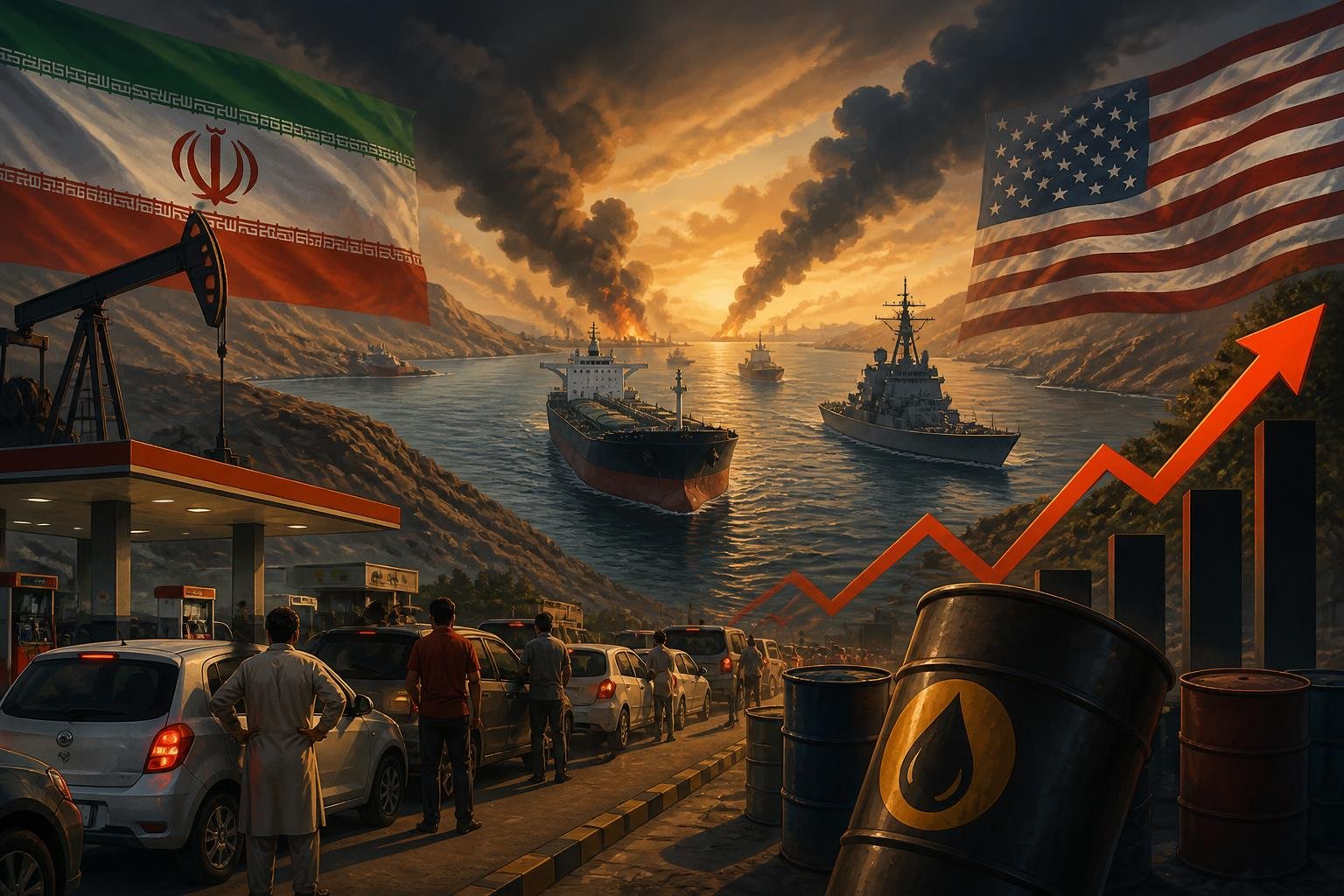
  • Reports on July 15, 2026, suggest a resumption of conflict between the US and Iran.
  • American missiles are reportedly being used in the conflict.
  • The Middle East crisis is sparking swings in oil prices.

Story so far

Reports on July 15, 2026, indicate a resumption of conflict between the United States and Iran, with American missiles reportedly being used. This escalation is contributing to a Middle East crisis and is sparking swings in oil prices. In response to the volatile situation, the government is reportedly considering daily updates to petrol prices.

Latest development

Reports on July 15, 2026, indicate a resumption of conflict between the United States and Iran, with American missiles reportedly being used. This escalation is contributing to a Middle East crisis and is sparking swings in oil prices, prompting the government to consider daily updates to petrol prices.

Latest updates

Reports on July 15, 2026, indicate a resumption of conflict between the United States and Iran, with American missiles reportedly being used. This escalation is contributing to a Middle East crisis and is sparking swings in oil prices.

In response to the volatile situation, the government is reportedly considering daily updates to petrol prices.

Fears of a nationwide petrol and diesel shortage are mounting in Pakistan as oil marketing companies have reportedly started restricting fuel supplies to petrol pumps. This supply squeeze is linked to escalating global crude oil prices following the U.S.–Iran conflict.

Ameer Khan, President of the Sindh Petroleum Dealers Association, stated that oil marketing companies have imposed allocation limits, leading to significantly reduced deliveries. Pakistan Petroleum Dealers Association Vice Chairman Tariq Hassan warned that persistent supply cuts could trigger shortages across the country.

However, oil marketing companies have rejected claims of an impending crisis, asserting that petrol pumps receive supplies based on their average monthly sales and no dealer is provided fuel beyond their normal allocation. They noted that such concerns often arise with rising international oil prices, and dealers sometimes increase pressure by warning of shortages. They also highlighted that dealers typically scale back purchases when a reduction in domestic fuel prices is expected, anticipating buying at lower rates.

Concerns are growing that motorists across Pakistan could face fuel shortages if the situation worsens.

The ongoing crisis between Iran and the United States is raising concerns about its potential impact on oil, the economy, and Pakistan.

Crude oil prices are soaring in global markets, with Ali Pervaiz stating that international oil prices cannot be stopped from rising. This surge in global oil prices follows fresh US strikes on Iran, a situation that Khaqan Najeeb has analyzed.

Sources and updates

Responses

>