

Trump Urges Deal with Iran Amid Reports of Retaliation and High Alert in Strait of Hormuz
 13 hours ago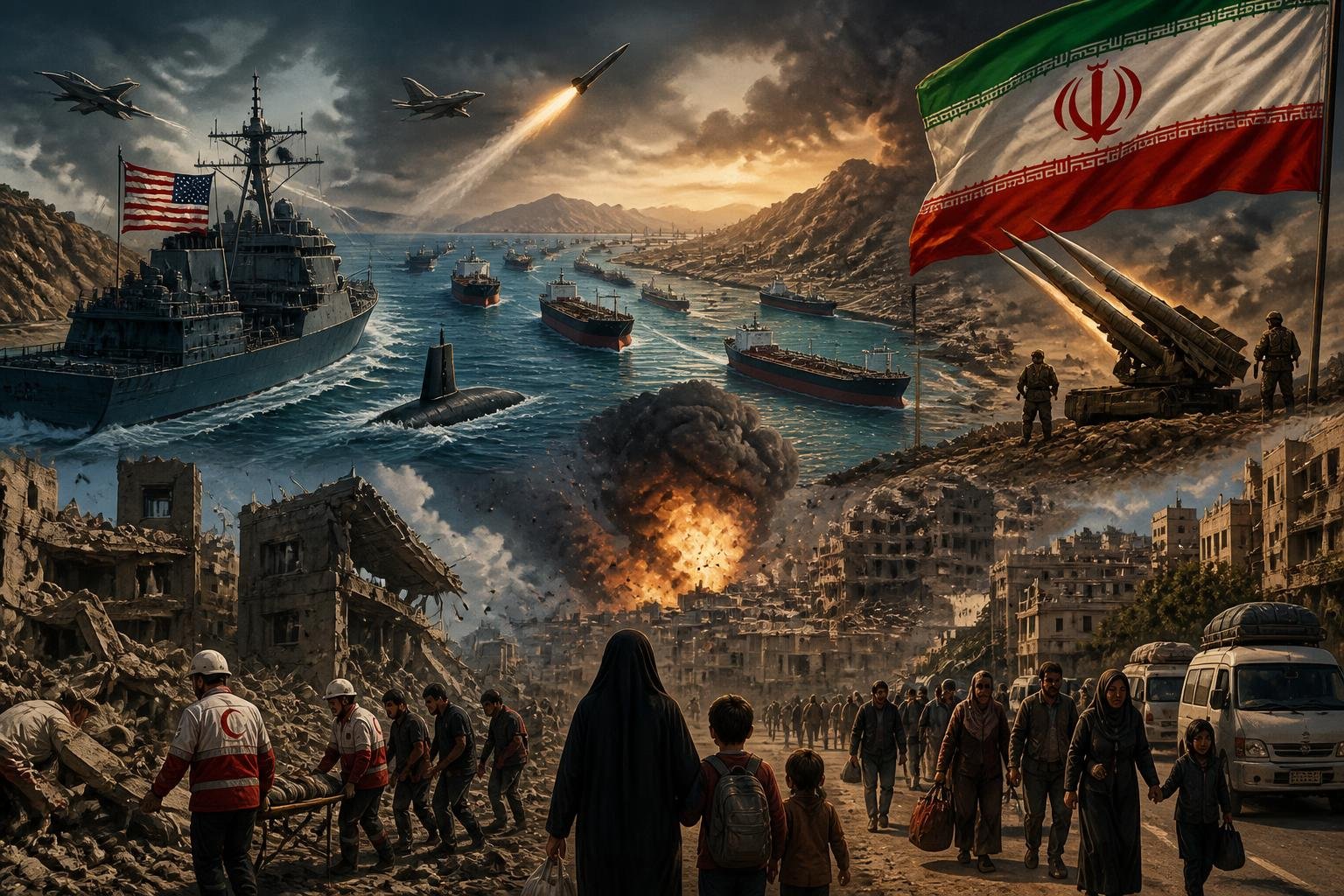
At a glance
- Hostilities between the United States and Iran have resumed, impacting regional security and the global economy.
- President Trump has stated that a deal with Iran remains possible, even as the US conducts bombings in Iran.
- Washington claims Iran was obstructing commercial vessels in the Strait of Hormuz and has now announced its intention to control the waterway, proposing a 20% fee to…
Story so far: Hostilities between the United States and Iran have resumed, impacting regional security and the global economy. President Trump has stated that a deal with Iran remains possible, even as the US conducts bombings in Iran.
Latest development: On July 15, 2026, President Trump urged Iran to make a deal. This development comes as Iran has reportedly struck back following a US attack, leading to the Strait of Hormuz being placed on high alert. Sources: HUM News Such…
Hostilities between the United States and Iran have resumed, impacting regional security and the global economy. President Trump has stated that a deal with Iran remains possible, even as the US conducts bombings in Iran. Washington claims Iran was obstructing commercial vessels in the Strait of Hormuz and has now announced its intention to control the waterway, proposing a 20% fee to cover expenditures. This development has created uncertainty for navigation through the Strait, with Iran unequivocally declaring it will not permit external interference in its management. The US Central Command (Centcom) has also announced the resumption of a blockade of Iranian ports. In response, Iran’s military has warned against US interference after President Trump indicated his country would become the “guardian” of the vital waterway. President Trump also suggested that a combination of blockade and “hitting them” is the most effective way to pressure Iran.
The escalation of hostilities has led to a loss of innocent lives in Iran and Lebanon, exacerbating a humanitarian crisis across the Middle East. In Iran, extensive physical insecurity and the destruction of over 125,000 civilian infrastructure and key services, including hospitals, schools, and emergency facilities, are severely affecting basic human lives. As of April-May 2026, an estimated 300,000 people have had their homes directly impacted. Although a fragile ceasefire has reduced insecurity, widespread destruction, rubble, and explosive remnants continue to hinder access to basic services and response efforts.
In Lebanon, the ceasefire has contributed to a partial stabilization of population movements, with an initial slowdown in large-scale displacement. However, mobility patterns remain fluid, and the situation is fragile. While hundreds of thousands of households have begun cautious and often temporary returns, particularly influenced by perceived security conditions and access to services, returns are still limited in several areas, including the South, Nabatieh, the southern suburbs of Beirut, and parts of the Bekaa, due to ongoing insecurity and infrastructure damage. Cross-border flows into the Syrian Arab Republic are continuing, with over 400,000 movements recorded since March 2, adding pressure to an already strained humanitarian system. The Iranian President has greeted the Iranian people, acknowledging their fight against enemies.
Latest Updates
On July 15, 2026, President Trump urged Iran to make a deal. This development comes as Iran has reportedly struck back following a US attack, leading to the Strait of Hormuz being placed on high alert.
Sources: HUM News Such News Dunya News


Responses